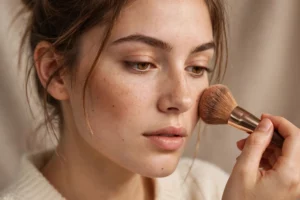
Everyday Natural Makeup for Teens: A Beginner’s Routine

Starting makeup as a teen is exciting — and a little overwhelming. Shelves are full of products, tutorials assume skills you don’t have yet, and it’s hard to know what’s actually appropriate for everyday wear like school. The good news: a natural everyday look needs far fewer products and steps than the internet suggests.
This beginner guide builds a simple, skin-first routine for teens: minimal products, a 10-minute order of application, and the habits that keep young skin happy. The philosophy throughout is “your face, just polished” — makeup that enhances rather than masks.
The Skin-First Rule
The most important “makeup” step isn’t makeup at all — it’s skincare. Natural-looking makeup sits well only on well-prepped skin. Every morning, before any product:
- Cleanse gently — a mild cleanser, lukewarm water, no scrubbing.
- Moisturize — a lightweight, non-comedogenic moisturizer suited to your skin type.
- Sunscreen — a broad-spectrum SPF every single day, even when it’s cloudy. This is the one step dermatologists universally recommend for young skin.
Let each layer absorb for a minute before the next. Makeup applied over damp moisturizer slides around; makeup over settled skincare stays put.
The Minimal Product Kit
You need less than you think. A complete teen everyday kit:
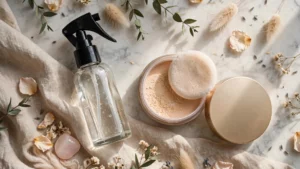
- Tinted moisturizer or BB cream — lighter than foundation, evens tone without masking. Choose your closest shade match.
- Concealer — one shade, for under-eyes or the occasional blemish. Dab, don’t smear.
- Cream blush — foolproof and blendable; a soft pink or peach suits most teens.
- Brow gel — clear or lightly tinted, just to groom brows into place.
- Mascara — one coat of brown-black opens the eyes without drama.
- Lip balm or tinted lip balm — hydrated lips with a hint of color.
- Setting powder (optional) — a light dusting on the T-zone if skin gets shiny.
That’s it. Skip foundation, contour palettes, baking powders, and heavy eyeshadow for everyday wear — they belong to occasion looks, not daily routines.
The 10-Minute Routine, In Order
1. Base: tinted moisturizer (2 minutes)
Dot tinted moisturizer on forehead, cheeks, nose, and chin, then blend outward with clean fingers or a damp sponge. Fingers work fine — the warmth helps sheer products melt in. The goal is evened-out tone, not full coverage; freckles and natural texture showing through is exactly right.
2. Concealer where needed (1 minute)
Pat a small amount under the eyes in a triangle shape and on any blemishes. Blend the edges with a fingertip. Less is more — thick concealer creases and draws attention.
3. Blush: the healthy flush (1 minute)
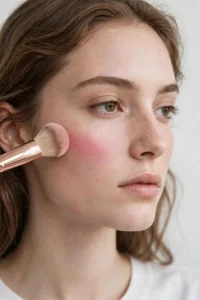
Smile lightly and press cream blush onto the apples of the cheeks, blending up toward the temples. Cream formulas are forgiving — they melt into skin and are nearly impossible to overdo if you build slowly. For placement matched to your face shape, see our guide to blush placement for oval faces.
4. Brows: groom, don’t redraw (1 minute)
Brush brows upward with a spoolie, then set with clear or tinted brow gel. At this stage, skip pencils and pomades — grooming your natural brow shape looks better and more age-appropriate than drawn-on brows. If you’re curious how brow shapes relate to face shapes later on, our eyebrow guide for oval faces is a good next read.
5. Mascara: one coat (2 minutes)
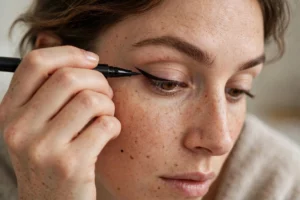
Curl lashes if you like, then apply a single coat of mascara, wiggling at the base and pulling through. Brown-black looks softer and more natural than jet black for daytime. One coat — two starts looking heavy on a natural face.
6. Lips: balm with a tint (1 minute)
Finish with tinted lip balm. It keeps lips comfortable through the day and adds just enough color. Reapply as needed — no mirror precision required.
7. Optional: powder the T-zone (1 minute)
If your forehead, nose, or chin get shiny by midday, press (don’t sweep) a little translucent powder there with a puff. Blotting papers in a school bag handle touch-ups better than re-powdering.
Habits That Keep Skin Happy
- Remove everything at night. Sleeping in makeup clogs pores. A gentle cleanser is enough — you don’t need a complicated double-cleanse routine yet.
- Don’t share eye and lip products. Sharing mascara or lip products spreads bacteria and eye infections.
- Wash your tools. Sponges and brushes pick up oil and bacteria — wash them weekly with gentle soap.
- Check expiry dates. Mascara lasts about three months once opened; old eye products are the top cause of irritation.
- Patch-test new products. Dab a new product on your jawline first and wait a day before full-face use.
Mistakes Beginners Should Skip
- Too much base. Full-coverage foundation for everyday school wear looks heavy and ages the face. Sheer is better.
- Skipping sunscreen. No makeup look is worth unprotected sun exposure — SPF under makeup is non-negotiable.
- Overdoing brows. Heavily drawn brows dominate a young face. Grooming beats drawing at this stage.
- Sleeping in makeup. The single worst habit for teen skin.
- Buying everything at once. Master the basic routine first; add one new product at a time so you know what each one does.
Building Your Kit on a Budget
You don’t need premium brands to get a good natural look. Drugstore tinted moisturizers, cream blushes, and mascaras perform beautifully for everyday wear. Buy in this order of impact: tinted moisturizer first, then mascara, then cream blush — those three alone create the whole polished effect. Add concealer and brow gel next, and lip balm last since you may already own one. One quality sponge or brush set, washed weekly, beats a drawer of neglected tools.
Adjusting the Routine for Different Days
The base routine flexes easily. For picture day or an event, add a second thin layer of tinted moisturizer only where needed and a touch more blush — photos wash out about twenty percent of your color. For sports or hot days, skip the mascara (sweat plus mascara equals smudging) and rely on tinted lip balm and blush alone. For evenings out, deepen the lip tint and add a soft brown eyeshadow wash — that’s the entire “dressed up” upgrade.
FAQ
What makeup should a teen wear every day?
A minimal routine: tinted moisturizer, concealer only where needed, cream blush, brow gel, one coat of mascara, and tinted lip balm. Sheer, skin-like products beat full coverage for everyday teen wear.
How can teens make makeup look natural?
Use sheer formulas, blend thoroughly, and keep the total product count low. Natural makeup should look like healthy skin — if someone can identify individual products from across the room, scale back.
Should teens wear foundation daily?
Usually not necessary. Tinted moisturizer or BB cream evens tone with a much more natural finish and is kinder to young skin for daily wear. Save fuller coverage for special occasions.
What’s the most important makeup step for teens?
Skincare underneath — cleanse, moisturize, and SPF. Makeup looks dramatically better on prepped, protected skin, and sunscreen is the single best long-term investment in your skin.
Start Simple, Build Slowly
Makeup skill builds one product at a time. Get comfortable with the sheer base and blush before adding anything new — and if you ever wonder which techniques suit your features, upload a photo to the free AI face-rating tool at https://russella.co.uk/ to learn your face shape and get personalized feedback as your skills grow.