How to Fix an Asymmetrical Face Naturally: Habits That Actually Help
If one side of your face looks different from the other in selfies, you’re not imagining things — and you’re not alone. Interest in how to fix asymmetrical face naturally keeps climbing as we compare our real faces to filtered, flipped, front-camera-distorted versions of ourselves daily.
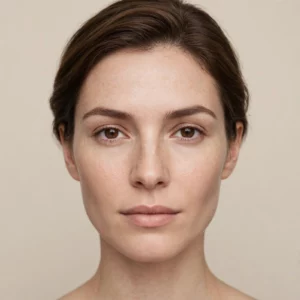
Here is the honest starting point: ordinary facial asymmetry is completely normal and healthy. No human face is perfectly symmetrical, and most differences are only noticeable to you — a face symmetry test with a photo shows exactly how balanced your features are. No habit or gadget will “fix” your face overnight, and nothing here replaces a doctor or dentist — especially for jaw pain, bite problems, or sudden changes in your appearance.
What natural habits can realistically do is subtler: reduce the everyday behaviors that make asymmetry look more pronounced, and support better posture over time. Below: practical, evidence-informed habits — plus honesty about what doesn’t work.
The Honest Truth: Nobody Has a Perfectly Symmetrical Face
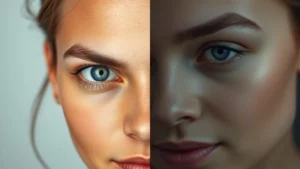
Every face develops slightly unevenly — that is simply how human growth works. One cheekbone may sit a fraction higher, one eye may open a touch wider, your smile may pull slightly to one side. This is not a flaw; it is the norm.
Look closely at faces you admire and you will spot the same small imbalances. What we read as a “symmetrical” face is usually just one whose differences are small enough that our brain smooths them over. Our guide to facial symmetry breaks down how symmetry is actually measured, without the hype.
So reframe the goal: you are not “fixing” a broken face. You are building habits that may help your face look balanced — and learning to see your own face more accurately.
Why Your Face Can Look More Asymmetrical Than It Really Is
Sometimes the problem is not your face — it is how you are looking at it. Two culprits exaggerate asymmetry.
Your phone camera distorts your face
Front cameras use wide-angle lenses. Held at arm’s length, the lens stretches whatever is closest — a textbook case of perspective distortion — usually your nose and the nearer side of your face — making one side look larger. Flip the image, as some apps do automatically, and it looks stranger still: you are seeing an un-mirrored version of a face you have only ever seen in mirrors. Our breakdown of selfie camera accuracy explains why photos and mirrors disagree — and it is rarely because your face changed.
You notice it because it’s yours
We scrutinize our own faces far more harshly than anyone else’s. Others see your face in motion, in three dimensions, in conversation — where tiny asymmetries vanish. You see a frozen, magnified, front-camera version. Keep that perspective before deciding anything needs “fixing.”
5 Natural Habits That May Improve Facial Balance
None of these will reshape bone or transform your face. They can reduce the daily forces and postures that nudge asymmetry to look worse — while supporting your jaw, neck, and overall appearance.
1. Keep your head stacked over your spine
Forward head posture — chin jutting toward your phone for hours — changes how your jaw, neck, and lower face sit relative to each other, and can make the lower face look less defined and more uneven. The fix is simple but needs consistency: raise screens toward eye level, tuck your chin slightly so your ears sit over your shoulders, and take short posture breaks daily. It will not rebuild your face, but good head position genuinely changes how balanced your jawline looks in photos.
2. Chew evenly on both sides
Most people favor one side when chewing without realizing it. Years of one-sided chewing can build up the masseter — the main chewing muscle — more on that side, making one side of the jaw look fuller. The fix costs nothing: consciously alternate sides. One caution: do not aggressively chew hard gum for hours to “build” your jawline — it can cause soreness, clicking, or joint problems. Balanced, normal chewing is the goal.
3. Don’t press one side of your face into the pillow all night
Sleeping on the same side every night means hours of pressure on one cheek and jaw. A pillow will not reshape an adult skull, but chronic pressure can worsen morning puffiness and creasing on one side — which reads as asymmetry. Back sleeping is the most face-neutral position; committed side sleepers should try alternating sides and avoid pillows that bunch up hard against the cheek.
4. Break the small one-sided habits
Asymmetry is often a collection of tiny habits: resting your chin on the same hand, cradling your phone against one cheek on long calls, always carrying a bag on the same shoulder, or chewing pens on one side. Alone, none matters much; together they create uneven pressure and muscle use. Spend a week noticing yours — awareness alone usually halves them. Our guide to the facial fifths shows how left-right differences are assessed, making it easier to tell real imbalance from normal variation.
5. Look after your bite and jaw
Sometimes visible asymmetry has a structural contributor: a bite that does not meet evenly, nighttime teeth grinding, or chronic jaw tension. That is dental and medical territory, not DIY work. If your jaw clicks, aches, or locks, or your bite feels shifted, see a dentist or orthodontist rather than trying internet exercises. Treating the underlying issue is the only “natural fix” that matters here.
Be Skeptical: What Probably Won’t Help
The internet sells a lot of asymmetry cures. A few honest notes:
- Face yoga and “mewing”-style exercises: no solid evidence these reshape bone or correct meaningful asymmetry in adults. They may slightly improve muscle tone or posture awareness — treat dramatic before-and-after claims with deep skepticism.
- Gua sha, face rollers, and massage tools: they can temporarily reduce puffiness, but de-puffing is not structural change.
- Hard “jawline chewing” devices: excessive chewing risks jaw joint pain and does not selectively slim or symmetrize your face.
- Invasive options discussed by non-professionals: anything surgical or injectable belongs in a conversation with qualified medical professionals — never a DIY project.
When to See a Professional
Natural habits are for appearance and comfort, not treatment. See a dentist, orthodontist, or doctor if you notice jaw pain, clicking, or locking; difficulty chewing or a changed bite; numbness or weakness on one side of the face; or asymmetry that appeared suddenly or is worsening. Sudden facial changes can occasionally signal something needing prompt attention — do not wait on those.
Frequently Asked Questions
Can facial exercises fix an asymmetrical face?
No. No reliable evidence shows exercises reshape adult facial bone or correct meaningful asymmetry. They may help muscle tone, tension, and posture awareness — subtly improving appearance — but anyone promising a transformed face is selling something.
How long do natural methods take to show results?
Habits work over weeks to months, not days — and changes are subtle. Anything promising visible results in a week is almost certainly lighting, angles, or de-puffing rather than real change. Consistency matters far more than intensity.
Does sleeping on one side cause facial asymmetry?
Not dramatically, but chronic pressure on one side can worsen uneven morning puffiness and skin creasing, which photographs as asymmetry. Alternating sides, or back sleeping, reduces the effect.
Why does one side of my face look bigger in photos?
Almost always lens distortion. Front cameras at arm’s length exaggerate the nearer side of your face. Retake it with the rear camera from farther away — see how to reduce face asymmetry in photos — or compare with a mirror — the “asymmetry” usually shrinks dramatically.
The Bottom Line
The most effective “natural fix” for an asymmetrical face is unglamorous: good posture, balanced daily habits, honest expectations — and learning to see your face accurately. Small, consistent changes beat dramatic promises.
Curious how balanced your features measure? Try our free AI face analysis tool — upload a photo for an entertaining breakdown of your facial proportions. Built for fun and curiosity, not as a verdict on your appearance.