How to Make Eyes Look Bigger With Makeup: Practical Techniques
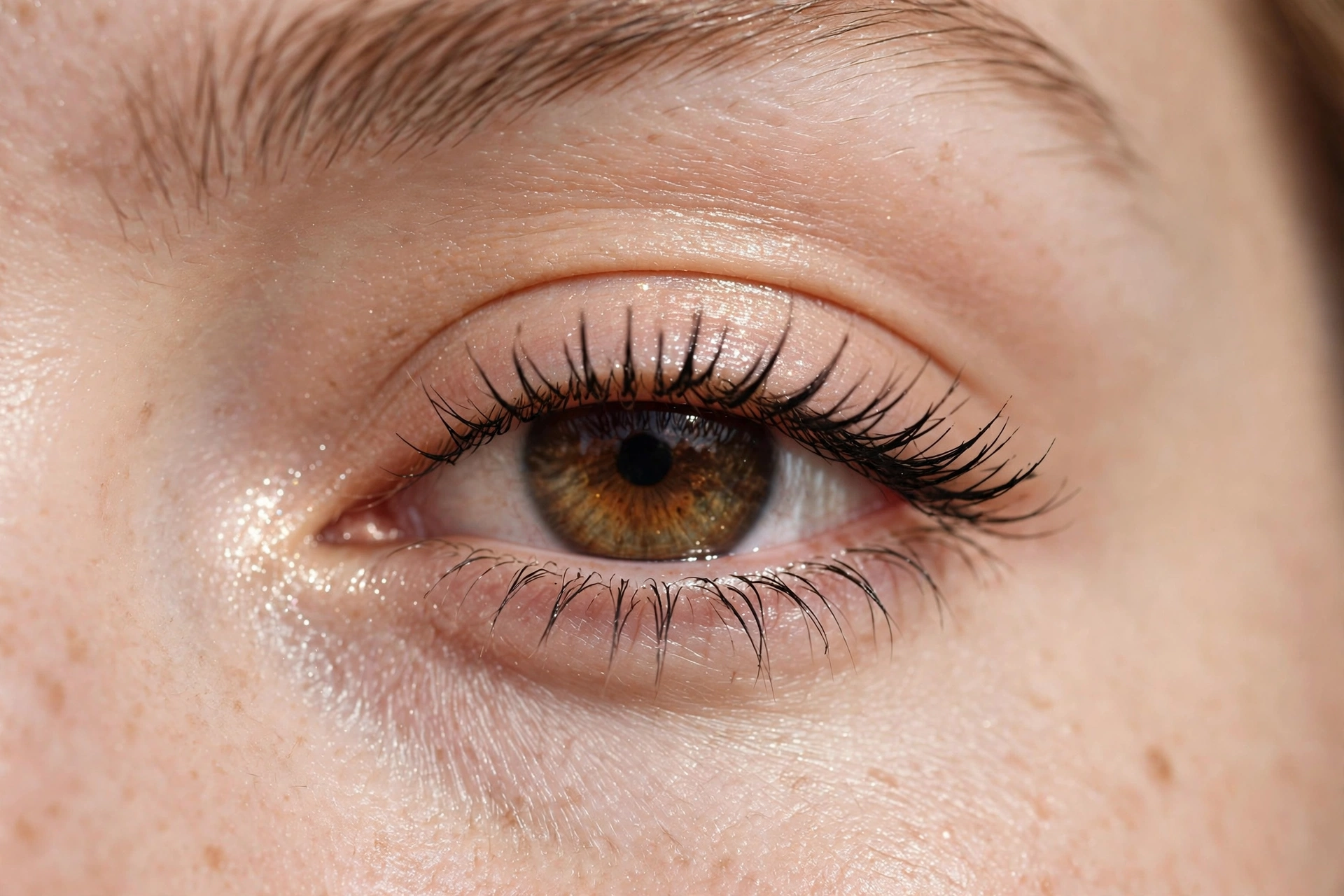
Bigger-looking eyes come from light, lift, and definition, not from piling on product. The techniques below work by brightening the areas that read as “open,” defining the lash line so lashes look denser, and placing shadow where it creates depth without closing the eye down. Every one of them is practical, beginner-friendly, and works on any eye shape.
Key Takeaways:
- Brightening the lids with light shadow makes eyes read as more open.
- Nude liner on the waterline widens the eyes more than dark liner.
- Curling lashes and concentrating mascara at the center lifts the eye shape.
- Tightlining the upper lash line defines without closing the eye down.
- Place darker shadow only on the outer third to avoid shrinking the eye.
A quick note on honesty: makeup creates an optical illusion of openness. It cannot change your actual eye size or shape, and small or deep-set eyes are not a flaw to fix. These are styling options for days you want a wide-awake look.
Technique 1: Brighten the lids
Dark or discoloured lids make eyes read smaller and more tired. Start with an eyeshadow primer or a thin layer of concealer across the entire lid, set with translucent powder. This does two things: it evens out redness and veins that visually shrink the eye, and it gives everything you apply afterward a clean, bright base that holds all day.
Choose a lid shade close to your skin tone or slightly lighter with a satin (not glitter) finish. Matte light shades brighten; shimmer reflects light and adds dimension. Either works, heavy glitter on the whole lid can emphasise texture, so keep sparkle to the accents.
Technique 2: The waterline decision
The waterline (the inner rim of the lower lid) is the highest-leverage square millimetre on the eye:
- Nude or white pencil on the waterline extends the white of the eye visually, the single fastest “bigger eyes” trick there is. Nude looks more natural than stark white on most skin tones.
- Dark pencil on the waterline does the opposite: it closes the eye down and makes it read smaller. Save dark waterlines for smoky evening looks where intensity, not openness, is the goal.
If your eyes water a lot, set the nude pencil with a matching powder eyeshadow pressed on top to extend wear.
Technique 3: Curl lashes and concentrate mascara
Curled lashes lift the eye’s whole read, uncurled lashes point downward and cast a shadow over the eye that visually shrinks it. Always curl before mascara (curling after clumps and breaks lashes):
- Position the curler at the lash base, squeeze gently, hold a few seconds.
- “Walk” the curler outward, squeeze at the base, then mid-lash, then tips, for a curved lift rather than a crimped angle.
- Apply mascara with extra attention to the outer-corner and centre lashes.
For maximum openness, consider lashes or mascara emphasis at the outer corners, which lifts and elongates. If your eyes are also hooded, our eyeliner tips for round, hooded eyes pair well with these techniques.
Technique 4: Tightline the upper lashes
Tightlining, filling the gaps between upper lashes with dark liner, makes lashes look denser and the lash base darker without any visible liner line. Denser-looking lashes frame the eye more strongly, which reads as bigger, more defined eyes. It is subtler than a drawn line and never risks the heavy-liner look that can close eyes down.
Use a waterproof pencil or gel for tightlining so it stays put against the watery lash line.
Technique 5: Strategic shadow placement
Where shadow goes decides whether eyes open up or close down:
- Transition shade above the crease: blend a matte shade slightly deeper than your skin tone just above the natural crease (not in it). This creates the illusion of a higher, deeper crease, more visible lid space, which reads as bigger eyes. This is the most transformative shadow step for hooded or deep-set eyes.
- Outer-V depth: a small amount of deeper shadow at the outer corner, blended upward and outward, adds dimension without heaviness.
- Inner-corner highlight: a touch of light shimmer at the inner corners brightens and visually widens the space between the eyes. If you want to understand your eye angle more precisely first, our guide to canthal tilt explains the measurement behind it.
- Centre-lid light: a slightly lighter shade at the centre of the lid brings that area forward, adding roundness and openness.
Keep the lower lash line soft, a smudged, sheer line rather than a hard dark one. Hard lower liner closes the eye; soft definition supports it.
Technique 6: Lift with liner, don’t ring the eye
Eyeliner opens eyes when it lifts and defines; it closes them when it rings the whole eye heavily. The rules:
- Keep liner thinnest at the inner corner, gradually thicker toward the outer third.
- A small wing angled slightly upward lifts the outer corner and elongates the eye.
- Avoid thick liner all the way around, the “ringed” look is the fastest way to make eyes read smaller.
- For the lower lashes, tightline or use a soft smudged shadow instead of a hard pencil line.
Technique 7: Groom and define the brows
Brows are the frame, a well-groomed brow with a clean underside opens up the entire eye area. Clean up stray hairs beneath the brow (without over-plucking), and add a subtle matte highlight directly under the brow arch. That highlight lifts the brow area visually, which increases the perceived space between brow and eye, and more space reads as bigger, more open eyes.
The wide-awake routine in order
- Prime and brighten lids.
- Transition shade above the crease; outer-V depth; inner-corner highlight.
- Tightline upper lashes.
- Liner, thin inner, thicker outer third, small upward wing.
- Nude pencil on the waterline.
- Curl lashes, mascara with outer-corner emphasis.
- Brow cleanup and under-brow highlight.
Practised, this takes about ten minutes and the difference in photos is striking.
Try it with your real proportions in mind
Makeup flatters most when it suits your actual face. For a neutral read on your features, including your eye shape and angles, try our free AI face analysis tool on the homepage before you start.
Frequently Asked Questions
What is the fastest way to make eyes look bigger?
Nude pencil on the waterline plus curled lashes. Those two steps take two minutes and create the biggest visible difference, extended eye-white and lifted lashes instantly read as more open eyes.
Does dark eyeliner make eyes look smaller?
Dark liner all the way around the eye (including a dark waterline) closes eyes down. But strategic dark liner, tightlining, thin inner line thickening toward the outer third, small upward wing, defines and opens. Placement matters more than colour.
How do I make hooded eyes look bigger?
Blend a transition shade above the natural crease (not in it) to fake a higher crease, keep shimmer off the hooded area, tightline instead of drawing thick liner, and curl lashes well. Creating visible lid space above the crease is the key illusion.
Should I put highlighter in the inner corners?
Yes, a touch of light shimmer at the inner corners brightens the eyes and visually widens the space between them. Keep it subtle; a large glittery patch looks artificial in daylight.
Does mascara on lower lashes make eyes bigger or smaller?
A light coat on lower lashes adds definition and can enhance openness; heavy clumpy lower mascara closes the eye down and emphasises dark circles. Keep lower-lash mascara sheer and separated.
Can eyeshadow alone make eyes look bigger?
Largely yes, a brightened lid, transition shade above the crease for a higher crease illusion, outer-V depth, and inner-corner highlight together create significant openness even without liner or mascara.