Best Blush Shades for Fair Skin: A Complete Buying Guide
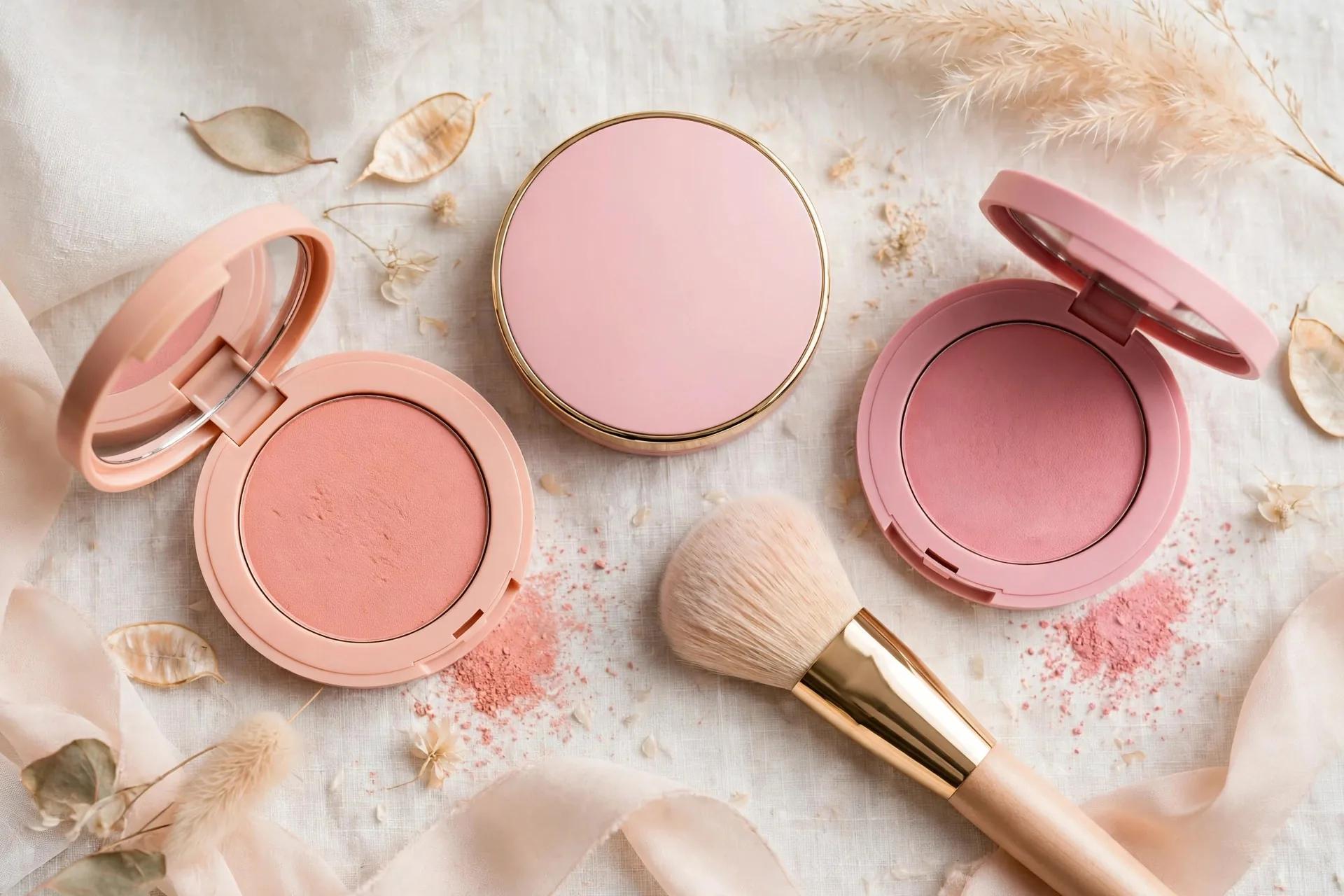
Finding blush for fair skin is a balancing act. Go too dark and it looks like a stripe; go too sheer and it vanishes by noon. The best blush shades for fair skin add a believable, lit-from-within flush that mimics how your skin naturally colors when you blush. This buying guide breaks down the most flattering shade families, how to match them to your undertone, and which formulas work best — so you can shop with confidence.
How to Find Your Undertone First
Before picking a shade, determine your undertone — it matters more than anything else for fair skin, where the wrong undertone shows up immediately.
- Cool undertones: Veins on your wrist look blue or purple; silver jewelry flatters you more than gold; you burn easily in the sun. Best blush families: soft pink, rose, berry, mauve.
- Warm undertones: Veins look green; gold jewelry flatters you; you tan relatively easily. Best blush families: peach, coral, apricot, warm rose.
- Neutral undertones: Veins are hard to categorize; both silver and gold suit you. Best blush families: you can wear most shades — soft pink and peach are the safest starting points.
Still unsure? See how to find your undertone warm cool neutral for a detailed walkthrough.
The 9 Best Blush Shade Families for Fair Skin
1. Baby pink
The classic fair-skin blush. A soft, cool baby pink mimics a natural flush better than any other shade on cool and neutral undertones. Look for sheer-to-medium pigmentation — highly pigmented baby pinks can go clown-like fast on fair skin.
2. Soft peach
The warm-undertone counterpart to baby pink. A delicate peach adds warmth and life without the pinkness that can clash with golden skin. It doubles beautifully as a subtle bronzer-blush hybrid in summer.
3. Rose
A true rose — pink with a touch of red — suits nearly every fair skin tone and gives a romantic, flushed look. It is slightly deeper than baby pink, so it shows up better in photos and lasts longer through the day.
4. Coral
Coral (pink-orange) is the lively option. On fair warm and neutral skin it looks fresh and modern, especially in spring and summer. Choose a soft coral rather than a neon one — fair skin needs the muted version.
5. Dusty rose / mauve
A muted, slightly brownish pink that looks incredibly natural on fair skin. Mauve tones are sophisticated and office-friendly, and they flatter cool undertones beautifully. This is the “my skin but better” blush family.
6. Apricot
A warm, golden peach that gives fair warm skin a sun-kissed glow. Apricot blushes often contain a hint of shimmer, which adds radiance — lovely for evenings, though matte versions exist for daytime.
7. Berry (sheer)
Do not fear berry on fair skin — in a sheer formula, a soft berry stain gives the most natural “just came in from the cold” flush. The trick is sheerness: a sheer berry tint, not an opaque berry pigment. Cream and liquid formulas excel here.
8. Petal pink
Lighter and more translucent than baby pink, petal pink is barely-there color for the fairest skin tones. If most blushes look too dark on you, start here.
9. Nude pink
A pink so neutral it almost disappears — nude pink blush adds dimension and warmth without obvious color. Perfect for minimal makeup days and for anyone who finds traditional blush shades too bright.
Shades to Approach With Caution
- Bright fuchsia and hot pink: Can work as a sheer stain, but opaque versions overwhelm fair skin instantly.
- Deep terracotta and brick: Usually too dark and too warm; they read as bronzer gone wrong.
- Brown-based nudes: Can look muddy rather than natural on fair skin.
- Neon coral: The muted version flatters; the neon version clashes.
None of these are forbidden — but they demand a very light hand and careful blending.
Choosing the Right Formula
Powder blush is the easiest for beginners and the best choice for oily skin. It offers the widest shade range and the most control. On fair skin, tap off excess before applying — powder blush is where most over-application happens.
Cream blush gives the most natural, skin-like flush and is ideal for dry or mature skin. It melts into the skin and is nearly impossible to overdo if you blend with your fingers. Creams in sheer berry and rose shades are particularly flattering on fair skin.
Liquid blush is the most pigmented per drop — use literally one dot per cheek and blend fast. The dewy finish is gorgeous, but the learning curve is steeper. Not the best first blush for beginners.
Stain/tint formulas last the longest through the day. A sheer cheek stain in rose or berry is a fantastic low-maintenance option for fair skin.
Application Tips for Fair Skin
- Less is more. Start with half the product you think you need. You can build up; you cannot easily take away.
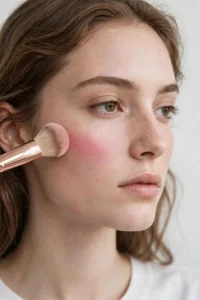
- Smile and apply to the apples, then blend upward toward the temples. This keeps the color youthful and lifted. For shape-specific placement, see blush placement for oval face and blush placement for round face.
- Layer over a similar-toned base. Applying blush over foundation that is slightly warm makes the blush blend more seamlessly.
- Check in daylight. Fair skin shows blush placement errors more than deeper skin. A quick window check saves embarrassment.
- Match your lips loosely. Blush and lipstick in the same color family (both pink, both peach) look harmonious and intentional.
What to Look for When Shopping
When you are comparing blushes in store or online, check:
- Pigmentation level — sheer to medium is the sweet spot for fair skin. Highly pigmented blushes require expert-level restraint.
- Undertone match — hold the shade near your wrist veins; if it harmonizes, it will harmonize on your cheeks.
- Finish — matte for daytime subtlety, satin for a healthy glow, shimmer for evenings. Avoid chunky glitter, which looks artificial on fair skin.
- Swatch on skin, not on paper — paper swatches lie. Test on your jawline or the back of your hand at minimum.
- Size of the pan — a larger pan is easier to pick up product evenly with a fluffy brush, reducing patchiness.
FAQs
What is the most natural-looking blush shade for fair skin?
Dusty rose or mauve for cool undertones, soft peach for warm undertones. These muted shades mimic a real flush better than brighter pinks.
Should fair skin use powder or cream blush?
Both work. Powder is easier to control for beginners; cream looks more natural and skin-like. If you are new to blush, start with powder in a sheer formula.
Why does blush disappear on me by afternoon?
Fair skin shows fading faster. Fix it by layering: apply a cream blush first, then set it with a matching powder blush on top. The powder locks in the cream and doubles the wear time.
Can fair skin wear berry blush?
Yes — in sheer formulas. A sheer berry cream or stain gives a beautiful natural flush. Avoid opaque, highly pigmented berry powders unless you have a very light hand.
Shop Smart, Blush Happy
The best blush for fair skin is the one that looks like your own flush: soft pink or rose for cool undertones, peach or coral for warm, muted mauve when in doubt. Match the undertone, keep the pigmentation sheer-to-medium, and apply with a light hand. Want placement tips matched to your exact face shape? Try the free AI face-rating tool at Russella for an instant photo analysis.