
Best Glasses for Round Faces: Styles That Flatter
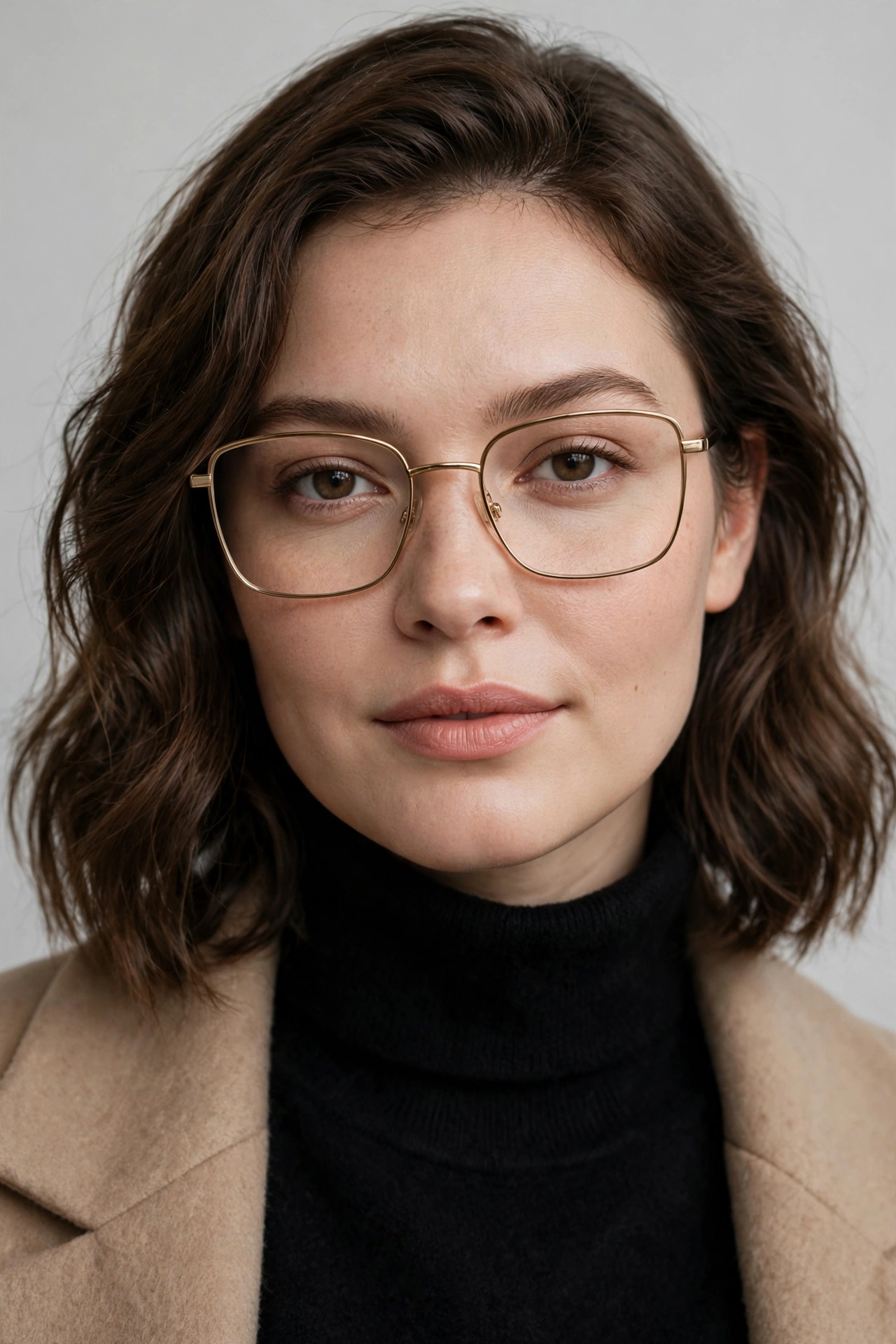
Best Glasses for Round Faces: Frames That Add Definition
The best glasses for round faces are angular frames that contrast with soft facial curves: rectangular, wayfarer, cat-eye, and browline styles. These shapes add definition and structure, making the face appear longer and slimmer. Avoid round or oval frames that echo the face shape. The key principle is contrast, not matching.
- The one rule: choose angular frames that contrast with round features, never match them
- Best shapes: rectangular, wayfarer, cat-eye, browline, and geometric styles
- Frame width should be slightly wider than the face for balance
- For women: cat-eye and oversized rectangular frames add the most definition
- For men: wayfarer and rectangular frames in matte finishes work best
- Avoid: round frames, small oval frames, and anything that sits high on the cheeks
The One Rule for Round Faces and Glasses
Everything about choosing glasses for a round face comes down to one principle: contrast. Your face has soft curves and minimal angles. Your glasses should provide what your face lacks: straight lines, defined corners, and geometric structure.
This is counterintuitive because the instinct is to match. People think round face, round glasses, as if harmony is the goal. But matching amplifies. Round frames on a round face make the face look rounder, just as a round mirror emphasizes roundness. Angular frames break the pattern and create visual interest.
Think of it like interior design. A round room does not need round furniture; it needs angular pieces to create contrast and definition. Your glasses are the most prominent accessory on your face. They should add architecture, not echo the existing curves.
This single rule simplifies every decision: if the frame has visible angles, it is probably flattering. If it is predominantly curved, it probably is not.
Best Frame Shapes for Round Faces
Rectangular Frames
Rectangular frames are the safest and most versatile choice for round faces. The straight top and bottom lines create horizontal structure, while the defined corners add the angles your face lacks. They make the face appear longer by drawing the eye across rather than around.
Look for rectangles that are wider than they are tall. A very tall rectangle can overwhelm; a wider, lower profile is ideal. The corners should be clearly defined, not softly rounded.
Wayfarer Frames
The wayfarer is essentially a trapezoidal shape: wider at the top, narrower at the bottom, with distinct angles. This shape is excellent for round faces because the wider top adds breadth at the eye level (balancing the cheeks), while the angles provide definition.
Wayfarers work for both men and women and suit casual and professional settings. They are one of the few shapes that are universally flattering when sized correctly.
Cat-Eye Frames
Cat-eye frames sweep upward at the outer corners, creating a dramatic diagonal line. This upswept angle is incredibly effective for round faces because it draws the eye upward and outward, countering the downward curve of full cheeks.
Modern cat-eyes range from subtle (a slight lift at the corners) to dramatic (a bold wing). For round faces, a moderate lift works best. Too subtle and the effect is lost; too dramatic and the frames overwhelm.
Browline Frames
Browline frames (also called clubmaster style) have a bold upper rim and minimal or rimless lower half. The strong horizontal line across the brow creates structure and draws attention to the eyes, away from the cheeks.
This style adds a vintage, intellectual character while being highly functional for round faces. The bold top line is the key feature; ensure it is straight and defined, not curved.
Geometric Frames
Hexagonal, octagonal, and other geometric shapes provide maximum angular contrast. These are bolder fashion choices but extremely effective for round faces. The multiple angles create visual complexity that completely disrupts the circular facial pattern.
Best Frames for Women
Women with round faces have excellent options across styles, from professional to fashion-forward.
For the office: A classic rectangular frame in tortoiseshell or black. Look for clean lines and a width that extends slightly beyond the temples. This is polished, professional, and reliably flattering.
For fashion impact: An oversized cat-eye or bold geometric frame. The larger size adds more angular contrast, and the fashion-forward shape makes a statement. Oversized works for round faces when the shape is angular; oversized round frames do not.
For minimalists: A thin metal rectangular frame or rimless angular style. The minimal material keeps the look light while the shape provides the necessary angles. Avoid rimless round or oval shapes.
Color advice: Darker colors (black, tortoise, deep navy) provide more definition than light or clear frames. The contrast between the dark frame and the skin creates sharper lines. If you prefer lighter frames, ensure the shape is strongly angular to compensate.
Best Frames for Men
Men’s options tend toward classic shapes, but the principles are identical.
The wayfarer is the top pick for men with round faces. It is masculine, versatile, and the trapezoidal shape provides ideal angular contrast. Choose a matte finish over glossy for a more modern look.
Rectangular frames in metal or acetate work well for professional settings. A slightly wider rectangle balances the face without looking oversized. Avoid narrow rectangles that sit entirely within the face width.
Browline styles add character and vintage appeal. The bold upper frame draws attention to the eyes and brow, which is particularly flattering for men with strong brows.
What to skip: Round metal frames (the classic “John Lennon” style) are the worst choice for round faces. They create a double-circle effect. Small, wire-rimmed ovals are similarly unflattering.
For sunglasses specifically, see our sunglasses for round face guide for UV-specific recommendations.
Frame Sizes That Matter More Than Shape
Even the right shape fails if the size is wrong. Three measurements matter:
Overall width: The frames should be slightly wider than your face at the temples. Frames that sit entirely within the face width make the face look wider by comparison. Frames that extend just beyond the temples create balance.
Lens height: Taller lenses cover more of the cheek area, which can emphasize fullness. Shorter, wider lenses are generally more flattering for round faces. If you need progressive lenses (which require more vertical space), choose the angular shape carefully to compensate.
Bridge position: The bridge should sit comfortably without the frames resting heavily on the cheeks. If the bottom rim sits on your cheeks when you smile, the frames are too large or the bridge is too low. This is both uncomfortable and unflattering.
Colors and Materials That Flatter
Acetate (plastic) frames in dark colors provide the boldest definition. The thick material creates strong lines that contrast well with soft features. Tortoiseshell is particularly good because the pattern adds visual interest.
Metal frames offer a lighter look but need strong angular shapes to compensate for the thinner material. A thin metal rectangle works; a thin metal round does not.
Color strategy: Darker frames (black, dark tortoise, navy, burgundy) define more than light frames (clear, beige, pastel). This is about contrast: the darker the frame against your skin, the sharper the angular lines appear.
Two-tone frames can work well if the upper portion is darker. This mimics the browline effect, drawing attention upward.
What to Avoid
Round frames: The single worst choice. They mirror the face shape exactly, amplifying roundness.
Small oval frames: These sit within the face and emphasize the surrounding roundness. They also tend to make the eyes look smaller.
Frames that are too small overall: Tiny frames on a round face create a contrast that makes the face look larger by comparison. When in doubt, go slightly larger (in an angular shape).
Bottom-heavy frames: Frames with thick lower rims or decorative bottom edges draw attention downward to the cheeks and chin. Top-heavy or evenly weighted frames are better.
Perfectly symmetrical round shapes: Even “soft square” frames that are essentially rounded squares do not provide enough angular contrast. Look for clearly defined corners.
Trying Before Buying: Virtual Tools
Most major eyewear retailers now offer virtual try-on tools that use your camera to overlay frames on your face. These are useful for round faces specifically because you can immediately see whether a shape provides enough angular contrast.
When using virtual try-on: take a straight-on photo in good lighting, try both the recommended angular shapes and (for comparison) a round shape. The difference will be immediately obvious. Save screenshots of the ones you like and compare them side by side.
For prescription glasses specifically, including lens thickness considerations and online measurement, see our prescription eyeglasses guide.
If possible, still try frames in person before committing. Virtual tools are good for shape assessment but cannot replicate fit, weight, or how the frames feel. Pay attention to whether the frames touch your cheeks when you smile.
Prescription Sunglasses for Round Faces
If you need vision correction and sun protection, prescription sunglasses combine both. The shape principles are identical to regular prescription glasses: angular frames that contrast with round features.
Best options: Prescription wayfarers and rectangular sunglasses are the top choices. They provide the angular contrast while accommodating most prescriptions. Many online retailers offer prescription sunglasses at reasonable prices, often as an add-on to regular glasses orders.
Lens options: Polarized lenses reduce glare and are worth the upgrade for driving and outdoor activities. Photochromic (transition) lenses that darken in sunlight offer convenience but may not get as dark as dedicated sunglasses. For round faces, ensure the sunglass frame maintains angular lines; oversized round sunglasses are particularly unflattering.
Fit considerations: Sunglasses tend to be worn in active situations, so secure fit matters more. Look for frames with adjustable nose pads and temples that grip without pinching. Wraparound styles can work for round faces if they have angular front profiles, but fully curved sport wraps generally do not provide enough facial contrast.
Frequently Asked Questions
What glasses make a round face look thinner?
Angular frames with defined corners: rectangular, wayfarer, cat-eye, and browline styles. The straight lines and angles contrast with the soft curves of a round face, creating the illusion of more definition and a slimmer appearance. Frames slightly wider than the face enhance this effect. Dark colors provide additional definition through contrast.
Should round faces wear oversized glasses?
Oversized glasses can work for round faces if the shape is angular. An oversized rectangular or cat-eye frame provides dramatic angular contrast. However, oversized round frames are the worst possible choice, as they amplify roundness at a larger scale. The shape matters more than the size, but if choosing oversized, ensure strong angles.
Are round glasses bad for round faces?
Yes, round glasses are generally the least flattering choice for round faces. They echo the facial shape rather than contrasting with it, which emphasizes roundness. This applies to perfectly round frames and soft oval frames. If you love the round aesthetic, consider a “soft geometric” shape (like a rounded hexagon) that provides some angles while maintaining a softer look.
What is the best glasses shape for a chubby face?
The same principles apply with extra emphasis on size. Choose angular frames (rectangular, wayfarer, cat-eye) that are slightly wider than the face. Avoid small frames that will look disproportionate. Darker colors and thicker acetate materials provide more definition. The goal is the same: introduce angles and structure that the face lacks naturally.
Do cat-eye glasses suit round faces?
Yes, cat-eye glasses are one of the best choices for round faces. The upswept outer corners create a strong diagonal line that draws the eye upward and outward, countering the fullness of round cheeks. A moderate cat-eye (not too subtle, not too dramatic) provides ideal angular contrast. This applies to both prescription glasses and sunglasses.