Beard Styles for Oval Face Male: Best Looks & Lengths
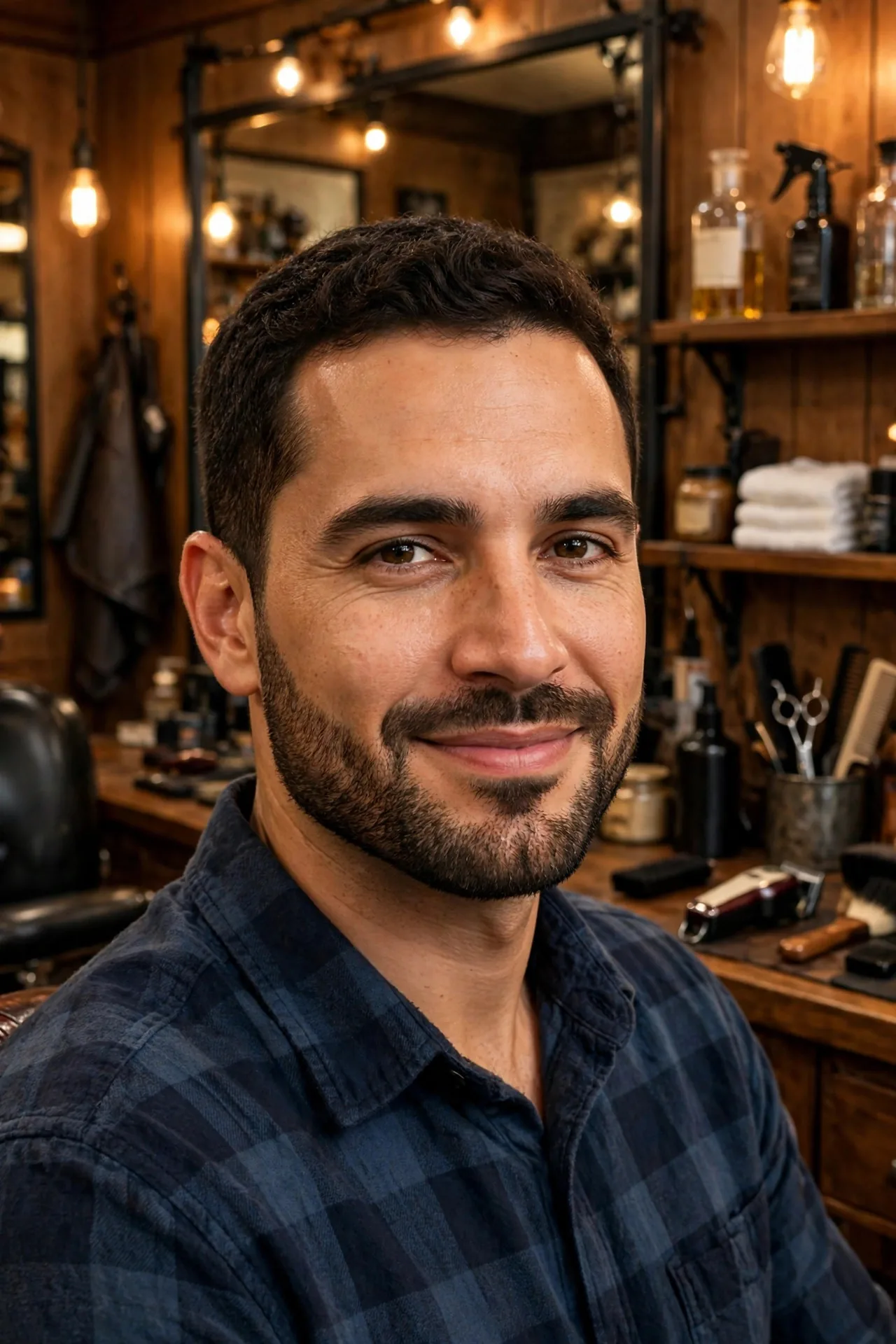
Oval faces and beards get along well. The face’s balanced proportions — slightly wider forehead, gentle jawline, length exceeding width — mean most beard styles work without fighting the underlying structure. The guiding rule is simple: keep the beard’s volume in proportion to the face, and let the beard enhance rather than reshape.
This guide covers the beard styles that suit oval faces best, ideal lengths, what to avoid, and how to maintain the balance as it grows.
Why Short-to-Medium Beards Win on Oval Faces
An oval face is already close to the “ideal” proportions beard styling usually tries to create. That means the beard’s job isn’t correction — it’s enhancement. Short to medium beards add masculinity and definition without hiding the balanced structure underneath.
Long, heavy beards can work on oval faces, but they shift the visual weight downward and can make the face look longer and narrower than it is. If you love length, keep the sides controlled so the beard adds depth without stretching the face.
The Best Beard Styles for Oval Faces
The Short Boxed Beard
Trimmed to a uniform short-medium length with clean, defined cheek and neck lines. This is the default recommendation: it sharpens the jawline, adds structure, and keeps the oval face’s balance intact. Maintain at roughly 10–20mm and edge it weekly.
Stubble (Heavy Stubble)
A few millimeters of even growth — the lowest-effort, highest-return option. Heavy stubble defines the jaw without committing to a full beard, and on an oval face it reads as intentional rather than lazy. Keep the neckline clean and the cheeks edged.
The Corporate Beard
Neat, medium-length, meticulously groomed — the boardroom beard. Oval faces carry this well because the balanced proportions keep a fuller beard from overwhelming the features. Requires regular trimming and conditioning to stay sharp rather than scruffy.
The Goatee (Circle Beard)
Hair on the chin and around the mouth, clean cheeks. On an oval face, a goatee adds chin emphasis and a bit of edge without disturbing the face’s balance. Keep it proportional — an oversized goatee on an oval face looks disconnected.
The Balbo
A disconnected style: trimmed beard along the jaw with a separate mustache and chin patch. The Balbo’s structured patches complement oval proportions nicely and suit men who want something more distinctive than a full beard.
Chin Strap (Subtle Version)
A thin line of hair tracing the jawline. On an oval face it can beautifully outline the already-good jaw — but keep it neat and not too thin, or it reads as dated. This one lives or dies on maintenance.
Lengths and Shapes to Avoid
- The long, narrow “wizard” beard. Length without width stretches an oval face vertically and narrows it visually — the exact opposite of what balanced proportions need.
- The chin-heavy ducktail taken too far. A slight point at the chin is fine; an exaggerated point elongates the face.
- Completely shaved cheeks with a lone chin patch. Disconnects the beard from the face’s structure and looks unbalanced on oval proportions.
- Letting the neck grow wild. An undefined neckline drags the whole beard — and the face — downward. Define it about two fingers above the Adam’s apple.
Matching Beard to Hairstyle
The beard and the haircut are one composition. Some pairings that work on oval faces:
- Short crop + heavy stubble — clean, modern, minimal maintenance.
- Textured quiff + short boxed beard — balanced volume top and bottom.
- Slick back + corporate beard — polished and mature.
- Buzz cut + full short beard — the beard becomes the style statement.
The principle: if the hair has lots of volume, keep the beard tighter, and vice versa. Two high-volume elements compete; one leads and the other supports. If you’re planning a full restyle, our face shape detector guide is worth reading first — confirming your proportions before you commit saves expensive corrections later.
The First Six Weeks: Growing With Intent
Most men give up in weeks 2–4, when the beard looks neither clean-shaven nor bearded — just untidy. Push through with a plan:
- Weeks 1–2: Let everything grow. Resist trimming; you’re building raw material. Keep the neckline lightly edged so it looks deliberate.
- Weeks 3–4: The itchy phase. Beard oil and a soft brush manage it. Start defining the cheek line but don’t reduce length yet.
- Weeks 5–6: Now shape. Trim to your target style’s outline, keeping the oval-face rules: even length, defined lines, no extreme chin point. From here, it’s maintenance.
The awkward phase is temporary; the style is permanent. Nearly every good beard looked bad at week three.
Dealing With Patchiness
Not every oval face grows a full, even beard — and that’s completely normal. Work with what you have:
- Patchy cheeks: favor styles with less cheek coverage — goatee, Balbo, or chin-focused styles. Keeping the cheeks clean turns patchiness from a flaw into a style choice.
- Slow-growing areas: give them time before judging. Many beards fill in noticeably between weeks 6 and 12.
- Uneven density: a slightly shorter overall length minimizes the contrast between dense and sparse areas. The shorter the beard, the less patchiness shows.
- Never compare to photos online. Lighting, density, and genetics vary enormously. The best beard is the best version of your growth, not someone else’s.
Maintenance Basics
- Trim on schedule: stubble every 2–3 days, short beards weekly, longer beards every 10–14 days.
- Define the lines: cheek line (natural or slightly below), neckline (two fingers above the Adam’s apple). These two lines are 80% of “looks intentional.”
- Condition: beard oil or balm keeps longer beards soft and prevents the wiry look that cheapens any style.
- Check symmetry: faces are naturally asymmetrical, so compare both sides in the mirror rather than trimming by feel alone. Our facial symmetry guide is a useful reminder that perfect mirror symmetry isn’t the goal — balance is.
Not sure the oval read is right for you? Our free AI face analysis tool on the homepage maps your proportions from a photo — worth checking before you grow out a style designed for a different shape.
Frequently Asked Questions
What beard style suits an oval face best?
The short boxed beard and heavy stubble are the two most reliable choices — they add definition while preserving the face’s natural balance. Both are low-risk and suit most personal styles.
Should oval face men grow long beards?
They can, but with care. Keep the sides full rather than letting all the length hang from the chin, or the face will look longer and narrower. Medium length with controlled sides is the safer version of the long-beard look.
Does a beard make an oval face look rounder or longer?
It depends on the shape: width on the sides and a rounded bottom reads rounder; length concentrated at the chin reads longer. On an oval face you generally want to preserve the existing balance, so avoid extremes in either direction.
How do I keep my beard symmetrical?
Trim in good light, step back from the mirror frequently, and compare sides rather than working one side to completion. Minor asymmetry is normal — aim for balanced, not identical.
Goatee or full beard for an oval face?
Both work. A full short beard adds overall structure and masculinity; a goatee adds chin focus and edge with less maintenance. Choose based on how much coverage you want and how your hair grows — patchy cheeks favor the goatee.