Cocktail Dresses: How to Choose the Right One
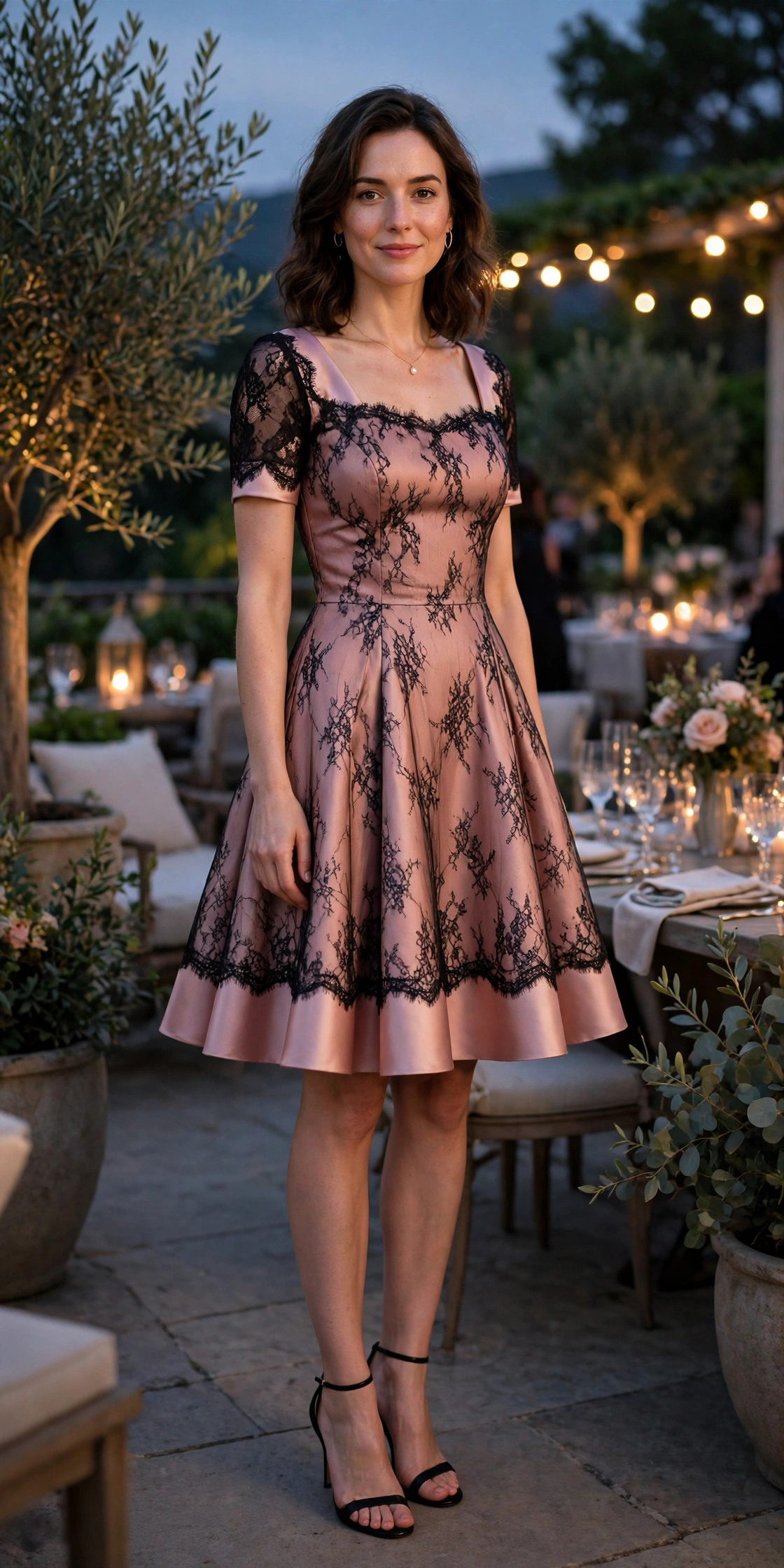
A cocktail dress is a short to mid-length dress worn for semi-formal occasions, such as cocktail parties, wedding receptions, evening celebrations and smart dinners. It is dressier than an everyday dress but less formal than a full-length evening gown, which is exactly why it is useful: most evening events do not need a gown, but they do need more than casual wear.
The short answer is this: choose a knee length or midi cocktail dress in a good fabric, keep the neckline and hem balanced, and let one feature do the talking. This guide explains cocktail dress styles, lengths, fabrics and colours, so you can choose with confidence for any semi-formal event.
Key Takeaways
- A cocktail dress is a semi-formal dress, usually knee length or midi, for evening and celebration events.
- It is dressier than everyday wear but less formal than a full-length gown.
- Good fabrics like crepe, satin, velvet and lace make a cocktail dress look expensive.
- Balance the outfit: a short hem pairs with a modest neckline, and vice versa.
- Black is safe, but jewel tones, metallics and soft pastels all work for cocktail events.
How this guide was put together: silhouette, fit, and fabric
guidance follows standard style and fit definitions used across
bridal and occasionwear retailers, applied to semi-formal events.
No garment was wear-tested for this guide, and no brand size chart
is quoted as a universal standard. Where a brand fits differently,
that brand’s own size guide wins.
What Makes a Dress a Cocktail Dress
The term cocktail dress comes from the cocktail parties of the 1920s and 1930s, where women needed a dress that was elegant for the evening but practical enough to stand, mingle and dance in. The modern definition is similar: a dress that is smart, polished and occasion-ready, without the weight and formality of a gown.
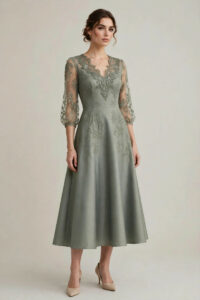
Length is the clearest clue. Cocktail dresses usually end at the knee, just above the knee, or at midi length. A dress that ends at the ankle is usually an evening gown, while a dress that ends well above the knee is usually a party dress, which can work for casual celebrations but may be too informal for a smart cocktail event.
Cocktail Dress Styles and Silhouettes
A-line: Fitted at the bodice and flaring gently, as explained in our A-line dress guide. It suits most body types and most cocktail events, and it is the safest choice if you are unsure.
Fit-and-flare: Similar to A-line but with a more defined waist and a fuller skirt. It gives a classic, feminine shape and suits weddings and parties well.
Sheath: A slim, straight dress that gives a modern, minimal look. It suits city events and gallery openings, and it needs an exact fit to look polished.
Slip dress: A simple, bias-cut dress in satin or silk, often with thin straps. It is elegant and minimal, but it needs good underwear and a confident fit, since the fabric shows every line.
Wrap: A dress that wraps at the waist and ties at the side. It is adjustable, flattering and comfortable, and it suits many figures for evening events.
Fabrics, Colours and Details
Fabric decides whether a cocktail dress looks expensive or cheap. Crepe, satin, velvet, lace and good-quality chiffon all read as evening fabrics, while thin jersey and casual cotton usually read as daytime fabrics, however good the cut. Sequin and metallic fabrics suit parties and celebrations, but keep the rest of the outfit simple so the dress stays the focus.
Black is the classic cocktail colour and the safest choice, but it is not the only one. Jewel tones like emerald, sapphire and burgundy photograph beautifully in evening light, metallics suit festive events, and soft pastels suit summer weddings and daytime celebrations. Avoid white, ivory and blush at weddings, since those colours can read as bridal.
How to Choose for the Event
Wedding guest: Choose a knee length or midi dress in a smart fabric, avoid white and anything too revealing, and check the dress code. A dresses and gowns guide can help you compare lengths for the venue.
Cocktail party: A shorter hem and a bolder colour or detail work well, since the event is social and standing. Choose shoes you can stand in for hours.
Evening dinner: A midi sheath or A-line dress in a dark colour suits a smart restaurant. Keep jewellery simple and choose a small clutch.
Work celebration: Keep the neckline modest, the hem at the knee or below, and the colour professional. A cocktail dress for work should look polished, not like a nightclub outfit.
Cocktail Dress Styles at a Glance
| Silhouette | Best for | Movement | Think twice if |
|---|---|---|---|
| A-line | Most venues, most body types | Easy to walk and sit in, skirt moves freely | You want a close, body-skimming fit |
| Sheath | Slim, minimal looks, city venues | Neat and close, less room at the knee | You need to sit, dance, or climb stairs for hours |
| Fit-and-flare | Defined waist with room to move | Fitted at the waist, flared below, good for dancing | You prefer a straight, unstructured line |
| Shift | Relaxed, straight fit, daytime events | Loose through the body, very easy to wear | You want waist definition without a belt |
Use this table with the event guide above: pick the silhouette first,
then the fabric and colour. A silhouette that fights the venue, for
example a long, heavy skirt at a standing reception, will feel wrong
all evening no matter how good the colour is.
Who a Cocktail Dress Suits, and Who Should Adjust the Choice
Choose a cocktail dress when the invitation is semi-formal, the event
runs into the evening, and you want one outfit that works for drinks,
dinner, and photos. The length in this guide, short to mid-length,
is the right call for cocktail parties, wedding receptions, and smart
dinners. If the event is a wedding, check the couple’s dress code
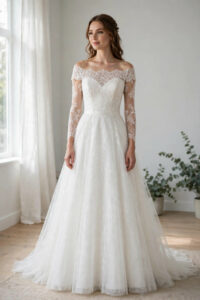
first and compare silhouettes with our
wedding dress styles guide
before you buy, because bridal silhouettes follow different rules.
Skip the standard cocktail length, or adjust it, if the venue is a
beach, a garden with grass, or a long outdoor ceremony. A shorter hem
sinks into grass and catches wind, and a heavy fabric overheats. In
those cases a tea-length or lighter-weight version of the same
silhouette is usually the better choice.
5 Mistakes to Avoid With Cocktail Dresses
- Too short for the event: A very short dress can look underdressed at a smart event. When in doubt, choose knee length or midi.
- Too much on show at once: A short hem, low neckline and bare back together can look unbalanced. Let one feature lead.
- Cheap fabric: Thin, shiny or poorly lined fabric spoils a cocktail dress faster than any styling mistake. Choose a fabric with weight and a lining.
- Uncomfortable shoes: Cocktail events involve a lot of standing. Choose heels you have already worn in, or elegant flats that suit the dress.
- Ignoring the venue: An outdoor garden party, a rooftop bar and a hotel ballroom all need different cocktail dresses. Match fabric and length to the setting.
Frequently Asked Questions
What is a cocktail dress?
A cocktail dress is a semi-formal dress, usually knee length or midi, worn for evening parties, wedding receptions and smart celebrations. It is dressier than everyday wear but less formal than a gown.
How long should a cocktail dress be?
Most cocktail dresses end at the knee, just above the knee, or at midi length. Knee length is the safest choice for most events.
Can you wear a cocktail dress to a wedding?
Yes, for most daytime and semi-formal weddings. Avoid white, ivory and blush, keep the look smart, and check whether the dress code asks for full length.
What colours are best for cocktail dresses?
Black is the classic choice, while jewel tones, metallics and soft pastels all work well. Choose based on the season, the venue and the time of day.
Are cocktail dresses formal?
They are semi-formal. They suit most evening events, but a strict black-tie event usually calls for a full-length evening gown instead.
Browse more occasion dresses in our Dresses and Gowns section, and explore the full Style and Fashion guides for shoes and accessories that complete a cocktail look.