Wedding Dress Styles: A-Line, Ball Gown, Mermaid
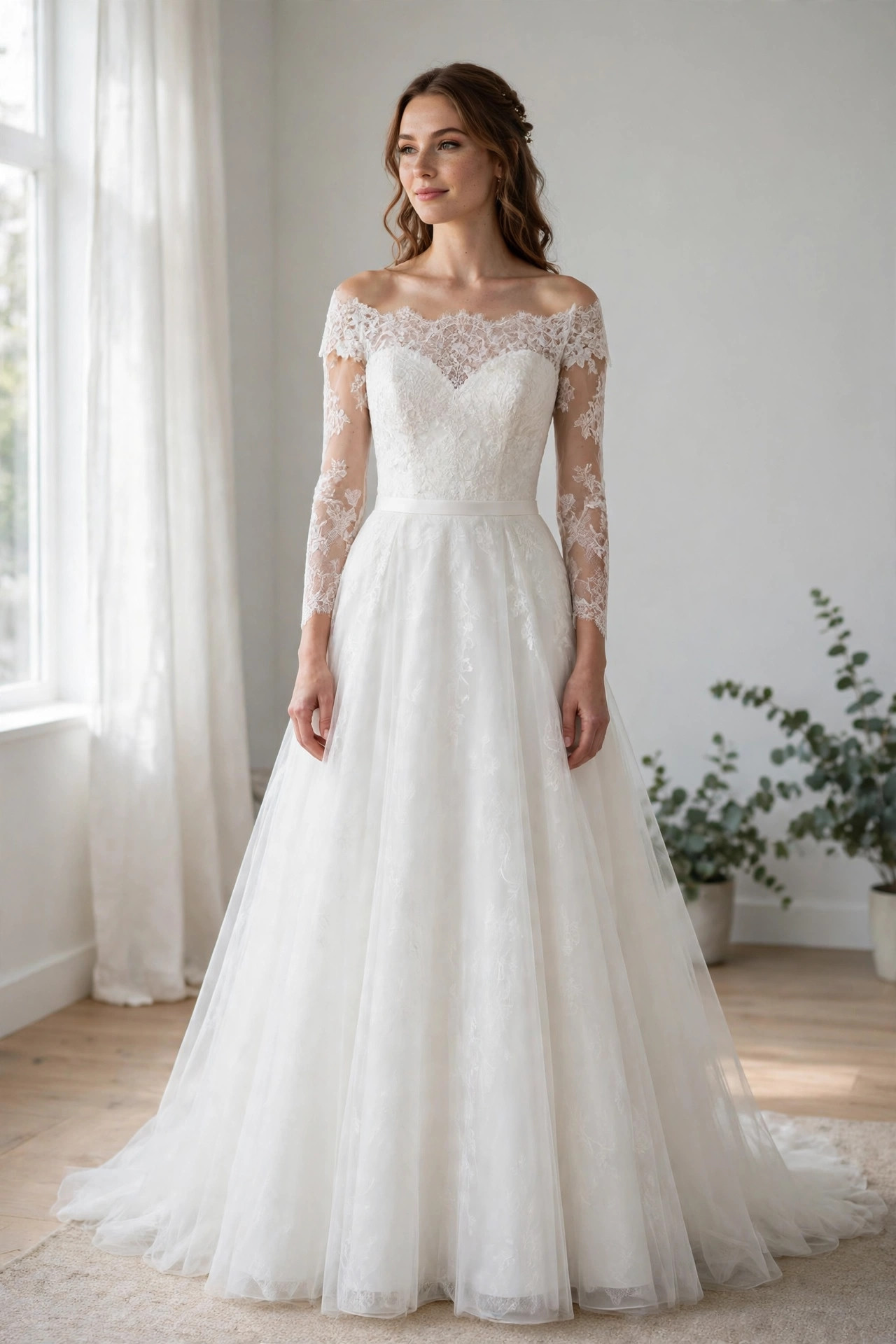
Wedding dress styles are mostly about silhouette, the overall shape the dress makes from the shoulders to the hem. Once you know the main silhouettes, dress shopping becomes much simpler, because you can ignore every dress that does not match the shape you want and focus on the details that matter to you.
The short answer is this: A-line suits almost everyone, a ball gown gives the most drama, a mermaid shape shows curves, and a sheath gives a slim, modern line. This guide explains each wedding dress style, who it flatters, and what to check before you fall in love with a sample in the shop.
Key Takeaways
- A-line dresses are fitted at the bodice and flare gently, suiting most body types and venues.
- Ball gowns have a fitted bodice and a full skirt, giving the most formal, fairy-tale shape.
- Mermaid dresses hug the body to the knee and then flare out, showing curves most clearly.
- Sheath dresses fall in a straight, slim line and suit modern, minimal and outdoor weddings.
- Comfort on the day matters as much as looks, so test sitting, walking and dancing in the dress.
How this guide was put together: silhouette definitions follow
standard bridal terminology used across bridal retailers and
designers, applied to body types and venues. No dress was tried on
or wear-tested for this guide, and no brand size chart is quoted as
a universal standard. Always confirm fit at a fitting, in the shoes
and underwear you will wear on the day.
A-Line Wedding Dresses
An A-line wedding dress is fitted through the bodice and waist, then flares gradually toward the hem, tracing the shape of the letter A. It is the most versatile wedding dress style because it defines the waist without clinging to the hips, and it works in churches, gardens, beaches and ballrooms alike.
A-line dresses suit pear-shaped, apple-shaped and straight body types, because the flare balances the lower body while the fitted top gives structure. They also suit petite brides when the waist is defined and the skirt is not too full, since a huge skirt can overwhelm a small frame. If you only try one silhouette, try this one first, as our A-line dress guide explains in more detail for everyday wear.
Ball Gown Wedding Dresses
A ball gown has a fitted bodice and a very full skirt, usually supported by layers of tulle or crinoline. It is the most dramatic wedding dress style and the one most people picture when they think of a traditional bride. The full skirt hides the hips and legs completely, so it suits brides who want a formal, statement look.
Ball gowns work best in large venues with room to move, such as ballrooms and grand churches. They can be hard to manage in small spaces, on stairs, or outdoors on grass, where a full skirt catches easily. Check that you can sit, use the stairs and get in and out of a car before you commit, and ask about a bustle, which lifts the train for dancing.
Mermaid and Trumpet Wedding Dresses
Mermaid dresses fit closely through the bodice, waist and hips, then flare out at or below the knee. Trumpet dresses are similar but start flaring a little higher, around mid-thigh, which makes them slightly easier to walk in. Both styles show the natural curve of the body and suit hourglass and curvy figures best.
The trade-off is movement. A mermaid dress limits your stride, so walking, sitting and dancing all need practice. Try walking up and down the shop, sitting on a chair, and bending slightly, and be honest about whether you will be comfortable for a full day. If you love the shape but worry about movement, a trumpet cut gives most of the look with a little more freedom.
Sheath and Column Wedding Dresses
Sheath dresses fall in a straight, slim line from the shoulders to the hem, with little or no flare. Column dresses are very similar, with a narrow, straight cut that follows the body without hugging it tightly. Both give a modern, minimal and elegant look that suits city weddings, registry offices and outdoor ceremonies.
Sheath styles suit tall, slim and petite brides well, because the long, unbroken line lengthens the figure. They show the natural shape more than an A-line does, so the fit must be exact, with no pulling at the hips or gaping at the waist. Light fabrics like crepe, chiffon and soft satin work best, while heavy structured fabrics can make a sheath look stiff.
Empire Waist and Other Styles Worth Knowing
An empire waist dress has a high waistline just under the bust, with a skirt that falls loosely from there. It suits pregnant brides, brides who want comfort, and anyone who prefers a soft, romantic shape without a fitted waist. It also works well in flowing fabrics for beach and garden weddings.
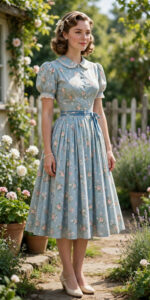
Other styles to know include the tea-length dress, which ends between the knee and ankle and suits vintage and informal weddings, and the two-piece or separates look, which pairs a top with a skirt for a modern, re-wearable outfit. Neither is as common as the main four silhouettes, but both are worth trying if the classic shapes do not feel like you.
Wedding Dress Silhouettes at a Glance
| Silhouette | Shape it suits | Movement | Think twice if |
|---|---|---|---|
| A-line | Most body types, balanced proportions | Easy to walk, sit, and dance in | You want a dramatic, close fit |
| Ball gown | Defined waist, formal venues | Full skirt, heavier, needs room to move | The venue is small, outdoors, or on grass |
| Mermaid and trumpet | Curves, hourglass shapes | Close through the body, flares low, less stride room | You want to dance freely or sit for a long meal |
| Sheath and column | Slim, tall, minimalist looks | Sleek and light, follows the body | You want structure or a defined waist without shaping |
| Empire waist | Shorter torsos, comfort-first brides | High waist, flowing skirt, very comfortable | You want the waist defined at the natural waistline |
Start from the silhouette, not the decoration. Beading, lace, and
necklines are easy to change between dresses. The silhouette decides
how you move, sit, and dance for the whole day, and it is the hardest
thing to alter later.
Who Each Silhouette Suits, and Who Should Try Another
Choose A-line if you want the safest, most versatile shape. Choose
a ball gown for a formal venue with room to move. Choose mermaid or
trumpet if you want to show curves and accept a closer fit. Choose
sheath for a sleek, modern look, and empire waist if comfort and an
easy fit matter most. For shorter or daytime celebrations, compare
with our
tea length dresses guide
and our
cocktail dresses guide
before you commit to a full-length gown.
Skip a silhouette that fights your venue. A ball gown on a beach,
a mermaid dress for a long seated dinner with lots of dancing, or a
heavy skirt in summer heat will all feel wrong by the middle of the
day, however beautiful the dress looks on the hanger.
5 Mistakes to Avoid With Wedding Dress Styles
- Choosing by photo alone: A dress that looks perfect on a model may behave very differently on your body. Always try the silhouette on before judging it.
- Ignoring the venue: A ball gown on a beach and a sheath in a grand cathedral can both feel wrong. Match the formality and practicality of the dress to the setting.
- Forgetting movement: If you cannot sit, walk and dance comfortably, the dress will spoil the day, however beautiful it looks standing still.
- Ordering too late: Wedding dresses often need months for ordering and alterations. Start early and leave time for fittings.
- Letting trends override taste: A style that feels like you will photograph better and age better than a trend you are already unsure about.
Frequently Asked Questions
What is the most flattering wedding dress style?
An A-line dress flatters the most body types, because it defines the waist and flares gently over the hips. The best style for you still depends on your shape, height and how much drama you want.
What is the difference between mermaid and trumpet dresses?
Both fit closely and then flare out. A mermaid dress flares at or below the knee, while a trumpet dress flares higher, around mid-thigh, which makes walking a little easier.
Can petite brides wear ball gowns?
Yes, but keep the skirt proportion in check. A moderately full ball gown with a defined waist suits petite brides better than an extremely wide skirt, which can overwhelm a small frame.
What wedding dress style is best for a beach wedding?
Light sheath, A-line and empire waist dresses in flowing fabrics suit beach weddings best, because they move well, stay cool and do not drag in sand.
How far in advance should I order a wedding dress?
Allow several months for ordering and alterations, and check the shop’s lead time before you fall in love with a dress. Sample dresses and off-the-rack options need less time but offer less choice.
Explore more dress ideas in our Dresses and Gowns section, and browse the full Style and Fashion guides for outfits that pair with your wedding look.