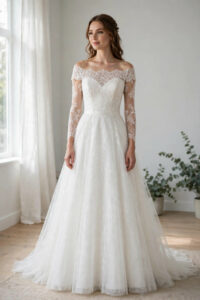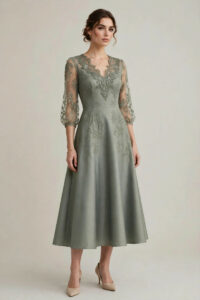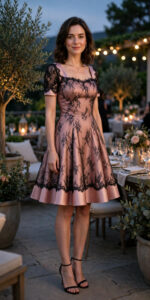
Tea Length Dresses: Vintage Hemline, Modern Style
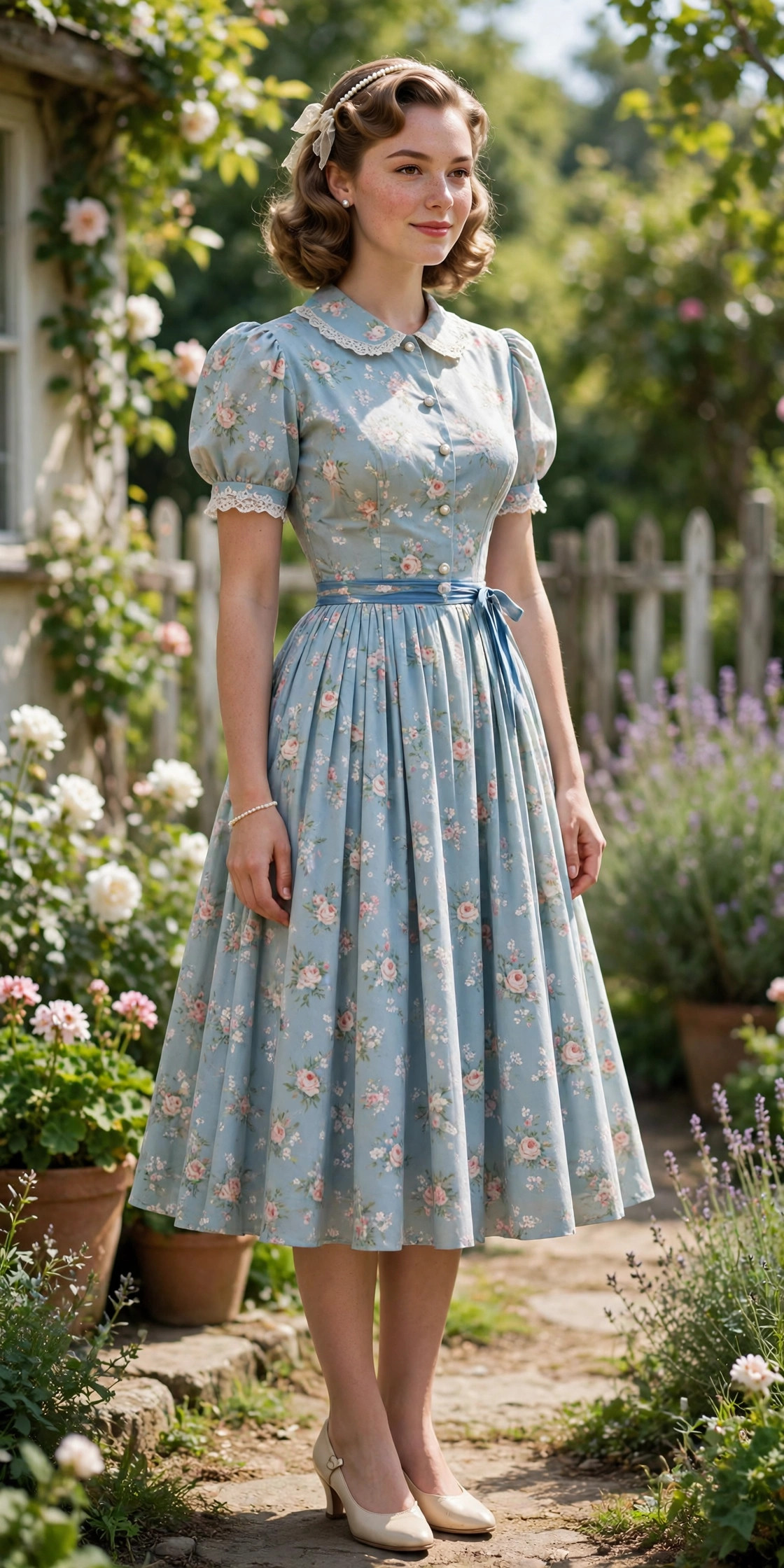
A tea length dress ends between the knee and the ankle, usually around mid-calf. The name comes from 1950s afternoon tea dresses, which were elegant enough for a formal gathering but short enough to move, sit and dance in comfortably. That balance is exactly why the length is popular again.
The short answer is this: tea length is a smart middle ground between knee length and full length. It shows off shoes, suits vintage and retro looks, and works for weddings, parties and smart daytime events. This guide explains who it suits, how to style it, and when a different length is a better choice.
Key Takeaways
- Tea length ends at mid-calf, between knee length and ankle length.
- It suits vintage, retro and 1950s inspired looks especially well.
- It shows off shoes, so footwear choice matters more than with longer dresses.
- It flatters most heights when the waist is defined and the hem sits at the slimmest part of the calf.
- It is less formal than a full-length gown, so check the dress code before choosing it for a black-tie event.
What Counts as Tea Length
Tea length is not a single fixed measurement. In general, the hem falls somewhere between a few inches below the knee and a few inches above the ankle, most often at mid-calf. If the hem ends right at the knee, it is knee length. If it grazes the ankle, it is maxi or full length. Tea length lives in between, and the exact spot depends on your height and where the dress is designed to sit.
The most flattering tea length hem usually sits at the narrowest part of the lower leg, just below the widest part of the calf. A hem that cuts across the widest part of the calf can make legs look shorter and wider, so try the dress on and check the hem in a full-length mirror before deciding.
Who Tea Length Dresses Suit
Tea length suits most body types because the mid-calf hem creates a clear, balanced proportion when paired with a defined waist. It works particularly well for pear-shaped and hourglass figures, where a fitted bodice and a flared or A-line skirt balance the hips. It also suits petite wearers when the waist is high or well defined, because the visible leg below the hem adds length to the look.
Tall wearers can wear tea length easily, but should check that the dress is long enough to read as tea length rather than as a knee-length dress that is simply too short. If you are tall, look for dresses cut with a longer hem, or choose a style with a slightly lower hemline so the proportion stays intentional.
Styling Tea Length Dresses
Shoes: Shoes are part of the outfit in a way they are not with longer dresses, because the lower leg and ankle are on show. Heeled sandals, Mary Janes, kitten heels and pointed flats all work well. Avoid heavy boots that cut the leg at the ankle, since they shorten the visible line and fight the vintage feel of the dress.
Accessories: Keep accessories in proportion to the retro feel. A small clutch, simple jewellery and a neat hairstyle suit tea length best. A wide belt at the waist can define the shape, but only if the dress already has a waist seam, as our A-line dress guide notes for belted styles.
Occasions: Tea length works for wedding guests, garden parties, afternoon events, vintage-themed weddings and smart daytime occasions. For a formal evening wedding, check whether the dress code expects full length, since tea length can read as too casual for the most formal settings.
Fabrics and Shapes That Work Best
Tea length dresses work best in fabrics with some structure or movement, such as cotton poplin, crepe, chiffon with a lining, and light wool blends. Full skirts in tulle or layered chiffon give the classic 1950s shape, while slimmer A-line or fit-and-flare cuts give a more modern, everyday version of the length.
Fit-and-flare is the safest shape for most wearers: fitted through the bodice and waist, flaring from the waist to the hem. A straight or shift cut in tea length can work, but it needs a defined waist or a belt to avoid looking shapeless at this hemline.
Tea Length vs Midi and Knee Length
Midi length is a broader term that covers hems from below the knee to above the ankle, so tea length is really a type of midi dress, just with a more specific, vintage hemline. Knee length ends at or just above the knee and feels more casual and practical for work and everyday wear. Tea length feels dressier and more deliberate, which is why it suits occasions better than everyday errands.
Choose knee length for work, everyday wear and hot weather. Choose tea length when you want a vintage or occasion look and you are happy to think about shoes. Choose full length when the dress code is formal or the event is in the evening and expects a gown.
5 Mistakes to Avoid With Tea Length Dresses
- Wrong hem placement: A hem across the widest part of the calf shortens the leg. Aim for the slimmest part of the lower leg.
- Heavy ankle boots: Boots that cover the ankle break the line and hide the point of the length. Choose shoes that show the ankle.
- Too much volume: An extremely full skirt at tea length can overwhelm a petite frame. Keep the flare moderate unless the look is deliberately dramatic.
- Ignoring the dress code: Tea length is smart but not always formal enough. Check black-tie and formal dress codes first.
- Skipping a full-length check: Tea length proportions only make sense in a full-length mirror. Check the whole outfit, shoes included, before the event.
Frequently Asked Questions
What is a tea length dress?
A tea length dress has a hem that falls between the knee and the ankle, usually at mid-calf. The style comes from 1950s afternoon tea dresses.
Are tea length dresses formal?
They are smart and occasion-ready, but less formal than full-length gowns. They suit weddings, garden parties and daytime events, but may be too casual for strict black-tie dress codes.
What shoes go with a tea length dress?
Heeled sandals, Mary Janes, kitten heels and pointed flats work best, because the ankle and lower leg are visible. Avoid heavy boots that cover the ankle.
Do tea length dresses suit petite women?
Yes, when the waist is defined and the hem sits at the slimmest part of the calf. The visible leg below the hem helps the outfit look balanced rather than overwhelming.
What is the difference between tea length and midi length?
Midi is the broader term for hems below the knee and above the ankle. Tea length is a specific vintage hemline within that range, usually at mid-calf.
Find more hemline and occasion ideas in our Dresses and Gowns section, and explore the full Style and Fashion guides for shoes and accessories that complete the look.