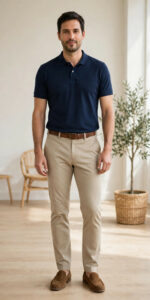
Shirt Styles: Oxford, Flannel, Linen, Dress, Casual
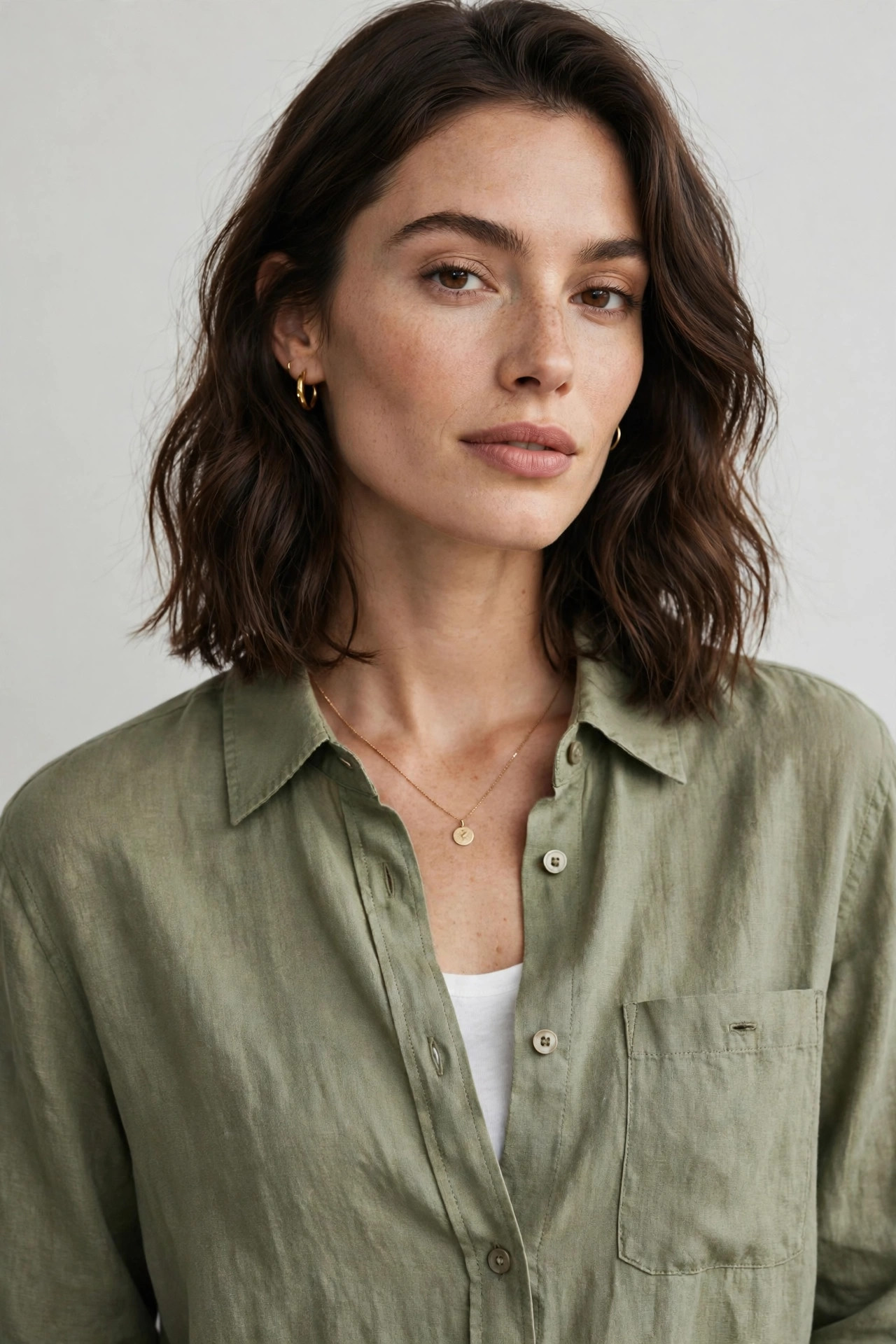
Shirt styles can be confusing because the same word, shirt, covers everything from a formal dress shirt to a soft weekend flannel. The difference is usually fabric, collar and fit, not just colour or pattern.
The short answer is this: an Oxford shirt is the best all-rounder, linen suits warm weather, flannel suits cold weather and casual days, and a proper dress shirt is still needed for formal occasions. This guide explains each style so you stop buying shirts that only work for one occasion.
Key Takeaways
- Oxford shirts use a textured cotton weave and work for both casual and smart outfits.
- Flannel shirts are soft, warm and casual, best for cooler weather.
- Linen shirts are breathable and light, ideal for summer, but they wrinkle easily.
- Dress shirts have a stiff collar, clean cuffs and a longer hem for tucking in.
- Fit at the shoulders and collar matters more than the brand on the label.
Oxford Shirts
Oxford cloth is a basket-weave cotton that feels slightly textured and holds its shape well. Oxford shirts usually have a button-down collar, a single chest pocket, and a fit that is neither boxy nor slim. That balance is why they work with jeans, chinos and even a blazer.
Choose white or light blue for maximum versatility. An Oxford shirt can be worn untucked with jeans on a casual day, or tucked in with chinos and leather shoes for a smarter look.
Flannel Shirts
Flannel is brushed cotton or wool that feels soft and warm. Flannel shirts are usually patterned, often checked, and cut for casual wear. They pair naturally with jeans and boots, and they layer well under a jacket in autumn and winter.
Keep flannel for casual settings. The soft texture and bold patterns that make flannel comfortable also make it a poor choice for formal offices or evening events.
Linen Shirts
Linen is made from flax fibre and is one of the most breathable shirt fabrics. Linen shirts feel cool in heat, dry quickly, and have a relaxed, slightly textured look. They are ideal for summer holidays, beach towns and warm climates.
The trade-off is wrinkles. Linen creases within hours of wearing, so accept that as part of the fabric, or choose a linen-cotton blend, which wrinkles less while keeping much of the breathability.
Dress Shirts
Dress shirts are made for formal wear. They have a firm collar that holds a tie, clean barrel or French cuffs, a longer body for tucking in, and usually a plain or very subtle pattern. White is the standard for the most formal occasions, with light blue and pale pink as softer alternatives.
A dress shirt should fit snugly at the collar when buttoned, without gaping, and the shoulder seam should sit at your natural shoulder. If the collar is loose when buttoned, the shirt will look unfinished under a tie.
Casual and Camp Shirts
Casual shirts include camp collar shirts, short-sleeve button-ups and relaxed cotton shirts. They have an open, laid-back collar, a shorter hem meant to be worn untucked, and often a looser fit. They suit holidays, weekends and warm weather, especially in prints and light colours.
Pair a camp shirt with tailored shorts or chinos rather than baggy trousers, so the relaxed top does not make the whole outfit look shapeless. For layering ideas, see our outerwear guides.
5 Mistakes to Avoid With Shirts
- Wrong collar fit: A collar that gaps when buttoned, or pinches the neck, ruins an otherwise good shirt.
- Too long untucked: An untucked shirt should end around mid-fly, not cover the pockets completely.
- Heavy fabric in summer: Thick flannel or heavy Oxford in heat looks and feels wrong. Switch to linen or light cotton.
- One shirt for every occasion: A dress shirt at a barbecue, or a flannel at a formal dinner, both send the wrong signal.
- Ignoring sleeve length: Sleeves should end at the wrist bone for long sleeves, with about a centimetre of cuff showing under a jacket.
Frequently Asked Questions
What is the most versatile shirt style?
An Oxford shirt in white or light blue is the most versatile, because it works for casual, work and smart-casual outfits.
What is the difference between an Oxford and a dress shirt?
Oxford shirts use a textured cotton weave and a button-down collar for versatile wear, while dress shirts have a firmer collar, cleaner cuffs and a longer hem for formal, tucked-in wear.
Are linen shirts worth it despite wrinkles?
Yes for warm weather, because linen is far more breathable than cotton. A linen-cotton blend reduces wrinkling while keeping most of the cooling benefit.
Can flannel shirts be worn to work?
Only in casual workplaces. Flannel is a casual fabric, so it suits creative and relaxed offices, not formal dress codes.
How should a shirt fit at the shoulders?
The shoulder seam should sit at the edge of your natural shoulder. Seams drooping down the arm mean the shirt is too large, while seams pulling inward mean it is too small.
Explore more tops in our Tops and Shirts section, and browse the full Style and Fashion guides for dresses, denim and jackets to build complete outfits.