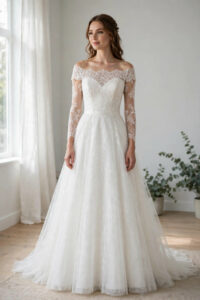
A-Line Dresses for Women: Fit Guide for Every Body
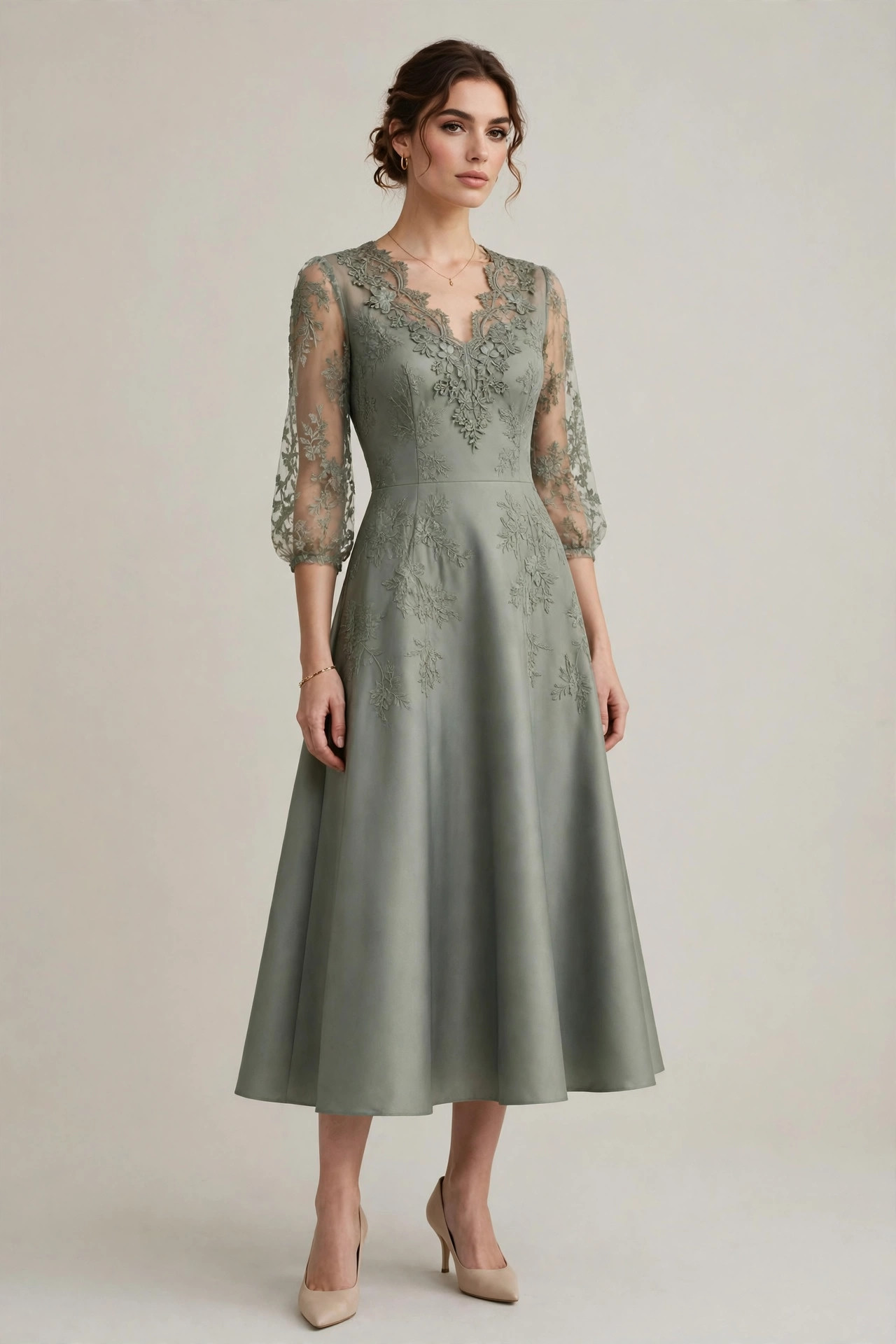
An A-line dress is fitted at the bodice and gradually flares out toward the hem, tracing the shape of the letter A. That simple geometry is why A-line dresses for women have stayed popular for decades. The cut skims the waist, gives room at the hips and thighs without adding bulk, and creates a long, balanced line from shoulder to hem.
The short answer is this: if you want one dress shape that works for work, weddings, dinners and everyday wear, start with an A-line. The rest of this guide explains how to choose the right length, fabric and neckline, so the dress fits your body rather than fighting it.
Key Takeaways
- An A-line dress is fitted through the bodice and waist, then flares gently to the hem.
- It suits most body types because it defines the waist without clinging to the hips.
- Knee length is the most versatile choice, while midi length suits formal occasions.
- Structured fabrics hold the A shape best, while soft jersey drapes more casually.
- Pair it with a belt only if the dress already has a defined waist seam.
How this guide was put together: fit, length, and fabric
guidance follows standard style and fit definitions used across
womenswear retailers. No dress was wear-tested for this guide, and
no brand size chart is quoted as a universal standard. Where a
brand fits differently, that brand’s own size guide wins.
Why the A-Line Shape Flatters Most Bodies
The A-line works because it does two jobs at once. The fitted top gives structure and shows the narrowest part of the torso, while the flared skirt moves freely and does not draw attention to the hips, stomach or thighs. Unlike a bodycon dress, it does not cling. Unlike a shift dress, it does not hide the waist completely.
For pear-shaped bodies, the flare balances wider hips. For apple-shaped bodies, the empire or high waist version draws the eye upward and skims the midsection. For straight or rectangular bodies, a belted A-line creates the curve that the body does not naturally show. That range is rare in a single silhouette, which is why stylists keep returning to it.
Choosing the Right Length
Knee length: The safest everyday choice. It works for the office, lunch, and semi-formal events, and it pairs with flats, block heels and boots.
Midi length: Falls below the knee and above the ankle. This is the best choice for weddings, dinners and formal gatherings, especially in structured fabrics like crepe or cotton poplin.
Mini length: Best in casual fabrics and warmer weather. Keep the flare modest at this length, or the dress can read more playful than polished.
Maxi length: An A-line maxi gives a long, flowing line and suits tall frames and beach or evening events. Petite wearers should choose a defined waist and a hem that just grazes the ankle, not one that pools on the floor.
Fabrics That Hold the Shape
Fabric decides whether an A-line looks polished or shapeless. Cotton poplin, crepe, twill and light wool hold the flare and keep the silhouette clean. Jersey and rayon drape softly and suit casual, everyday dresses, but they can cling if the cut is too close. Chiffon and georgette work best with a lining, otherwise the flare collapses and the dress loses its shape.
As a rule, if you can hold the skirt out and it springs back gently, the fabric will hold an A-line well. If it falls straight down with no body, save it for a different cut.
Styling A-Line Dresses for Different Occasions
Work: Choose a knee-length A-line in a solid colour, add a structured blazer and closed-toe shoes. Keep prints small and jewellery simple.
Wedding guest: Go midi, in a soft print or pastel, with heeled sandals and a small clutch. Avoid white, ivory and anything that could read as bridal.
Everyday: A cotton A-line with sneakers or flat sandals is comfortable and still looks put together. Add a denim jacket in cooler weather, which pairs well with the dress shape, as our outerwear guides explain in more detail.
Evening: Choose a darker colour, a V-neckline and a longer hem. A slim heel and minimal jewellery let the silhouette do the work.
A-Line Lengths at a Glance
| Length | Look | Best occasion | Note |
|---|---|---|---|
| Mini | Leggy, casual, youthful | Daytime, casual events | Check the hem when you sit, it rises |
| Knee-length | Neat, versatile, work-friendly | Work, daytime events, smart dinners | The most forgiving length for most heights |
| Midi and tea-length | Elegant, vintage-leaning | Weddings, formal daytime, evening | Pair with the right heel height or the hem drags the eye down |
| Maxi | Long, flowing, formal | Formal evenings, beach weddings | Fabric weight matters, heavy fabric overwhelms a small frame |
Length changes the whole dress more than colour does. If you are
between lengths, choose by the occasion and the shoes you already
own, not by the photo. Compare lengths in our
knee length dresses guide
and our
tea length dresses guide
before you decide.
Who A-Line Suits, and Who Should Adjust the Fit
A-line suits most bodies because the flare starts at the waist and
skims the hips and thighs without clinging. It is the best first
choice if you are unsure of your shape, if you want comfort with
structure, or if you need one dress for several occasions.
Adjust, rather than abandon, A-line if you are very petite or very
tall. A petite frame can be overwhelmed by a long, heavy A-line,
so choose a shorter length and a lighter fabric. A tall frame can
make a short A-line look unintentional, so check the hem falls
where you expect it to when you stand and sit.
5 Mistakes to Avoid With A-Line Dresses
- Too much flare: An extreme flare turns an A-line into a tent. The skirt should widen gradually, not balloon out from the waist.
- Wrong waist placement: If the waist seam sits too high or too low, the proportions break. It should sit at your natural waist, or just above it for an empire version.
- Heavy fabric in summer: Thick wool or heavy twill in heat looks stiff and feels uncomfortable. Switch to cotton or linen blends.
- Adding a belt to an unbelted dress: A belt over a dress with no waist seam often creates bulk. Choose a dress designed with a belt instead.
- Ignoring the neckline: A high neckline on a short frame can shorten the neck visually. A V-neck or scoop neck usually balances the look better.
Frequently Asked Questions
What is an A-line dress?
An A-line dress is fitted at the bodice and waist and flares out gradually toward the hem, forming the shape of the letter A.
Do A-line dresses suit all body types?
They suit most body types because they define the waist without clinging to the hips or stomach, but the best length and fabric still depend on height and personal preference.
What is the best length for an A-line dress?
Knee length is the most versatile for everyday and work wear, while midi length is best for formal occasions and weddings.
What fabric is best for an A-line dress?
Structured fabrics like cotton poplin, crepe and twill hold the A shape best. Soft jersey works for casual dresses but drapes rather than holding a crisp flare.
Can petite women wear A-line dresses?
Yes. Choose a defined waist, a knee or midi hem that does not overwhelm your frame, and a V-neckline to lengthen the upper body.
Browse more dress and occasion ideas in our Dresses and Gowns section, and explore the full Style and Fashion guides for tops, denim and outerwear that pair with these dresses.