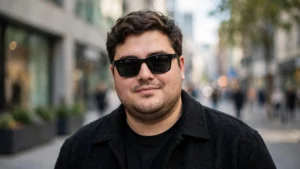
Best Haircut for Oblong Face Male: 8 Cuts That Add Width
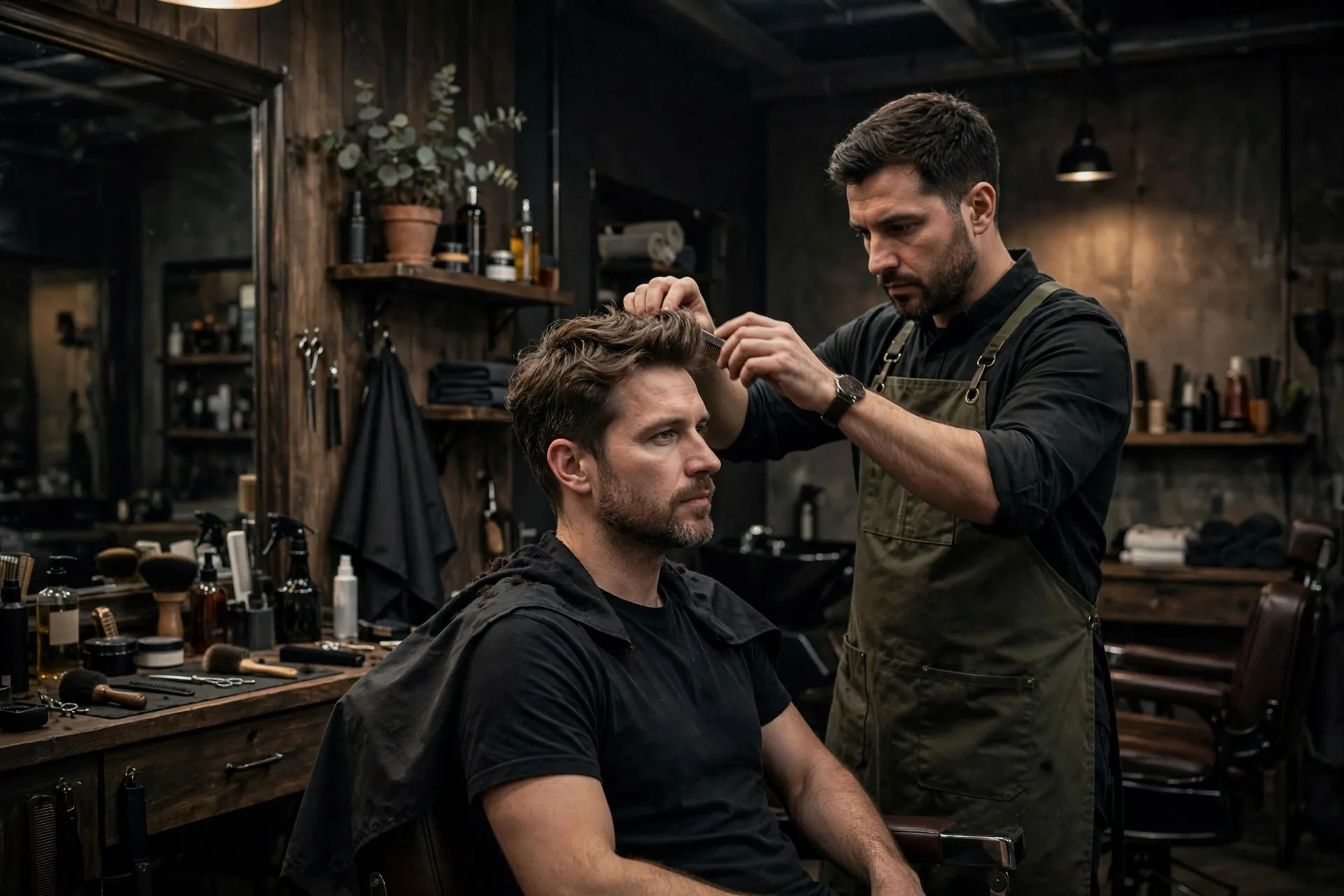
Chin-length bobs and side volume shorten oblong faces; avoid long straight styles.
Key Takeaways:
- The golden rule for oblong faces: add visual width at the sides and avoid extra height on top.
- Textured crops, side parts, and fringe styles break up vertical length effectively.
- Avoid very short sides with tall tops, which elongate the face further.
- Tell your barber you want width and texture, and bring reference photos.
- A fuller beard or kept stubble adds lower-face width that balances a long face.
The right best haircut will make long faces look more balanced in seconds, because they add visual width and break up vertical lines. The wrong ones do the reverse. This guide cuts through the noise with picks matched to your features.
First, confirm the diagnosis. An oblong face is often confused with oval, the difference is length. Our free face shape detector measures your proportions from a photo, and the midface ratio guide explains the length-vs-width math behind the classification.
The Golden Rules for Oblong Faces
- Width over height. Volume on the sides balances length; volume on top exaggerates it.
- Keep some length on the sides. Skin fades and tight sides slim the face further, the opposite of what you want.
- Fringe is your friend. Hair falling over the forehead shortens the face visually.
- Avoid vertical lines. Center parts, tall quiffs, and slicked-back styles all add perceived length.
The 8 Best Haircuts
1. Textured Crop With Fringe
Short all over with a textured, forward-falling fringe. The fringe covers forehead length while the textured top keeps it modern. Ask for: “textured crop, fringe left long enough to sit on the forehead, minimal height on top.”
2. Side-Swept Crew Cut
A crew cut grown slightly longer on top, swept to one side. The diagonal line across the forehead breaks up vertical length. Works in conservative offices and needs almost no styling.
3. Classic Side Part (Medium Length)
Hair 2–3 inches on top, parted to the side, with enough length on the sides to avoid a squeezed look. The horizontal part line visually shortens the face. Keep the part slightly off-center for a natural feel.
4. Bro Flow
Medium-length hair pushed back loosely with natural wave. The sides stay full (adding width), and the overall mass balances a long face. Needs some hair length, best for guys willing to grow it 4+ inches on top.
5. Textured Quiff, Kept Low
A quiff works if you keep it low and forward rather than tall. The texture adds style without the height that hurts oblong faces. Tell your barber: “quiff, but keep the height minimal, more forward texture than lift.”
6. Buzz Cut With Beard (The Combo Play)
A buzz cut alone can elongate, but paired with a fuller beard, the added jaw width rebalances everything. The beard adds horizontal mass exactly where oblong faces need it. Keep the beard’s sides full rather than tightly faded.
7. Curtain / Middle-Parted Medium Hair
Longer hair parted in the middle, falling to frame the face. The curtains cover the temples and upper cheeks, visually narrowing the long zones. Works best with some natural wave or texture.
8. Faux Hawk, Wide, Not Tall
A wide, textured faux hawk with the sides left at a #3–#4 (not skin) adds edge without length. The key is keeping the center strip low and spread across the crown rather than spiked upward.
Haircuts to Avoid
- High skin fades with tall tops, maximum length emphasis, minimum width.
- Slicked-back styles, expose the full forehead and add vertical lines.
- Long hair, all one length, no layers, drags the eye downward and lengthens everything.
- Sharp center parts with flat sides, the part line extends the face’s vertical axis.
What to Tell Your Barber (Copy-Paste Script)
“I have an oblong face, so I want to add width and avoid height. Keep the sides at a [3/4, not skin], keep the top textured but low, and leave enough fringe to cover some forehead. No tall quiff, no high fade.”
Barbers appreciate specific constraints more than vague requests. Bring two reference photos of the cut you want, one front view, one side view.
Beard Strategy for Oblong Faces
Facial hair is a secret weapon here:
- Grow the sides fuller than the chin, wide beards balance long faces; long pointed beards (ducktail styles) extend them.
- A short boxed beard with defined cheek lines adds structure without length.
- Avoid the chinstrap-to-goatee pipeline, isolated chin hair lengthens the lower face visually.
Styling Products That Help
- Matte clay or paste: adds texture without shine-height. Work it through dry hair, pushing forward and slightly to the side.
- Sea salt spray: builds natural volume at the sides for fine hair.
- Avoid high-shine pomades combed straight back, that’s the slicked-back trap.
Maintaining the Cut: Grow-Out Guide
The right cut only works if you maintain its shape, and oblong faces are punished most by grow-out, because extra length on top reintroduces the height problem.
- Short cuts (crop, crew): trim every 3–4 weeks. The sides are doing structural work; once they grow past a #4, the slimming effect creeps back.
- Medium cuts (side part, bro flow): every 6–8 weeks, but ask for the fringe to be trimmed between full cuts if it starts falling into your eyes, an overgrown fringe stops shortening the forehead and starts looking unkempt.
- Between cuts: a pea-sized amount of matte clay, worked through dry hair and pushed forward, restores the intended shape on days it falls flat.
If you’re growing hair out toward a longer style (bro flow, curtains), the awkward phase hits around month 3–4. Push through it: keep the sides trimmed while the top grows, and use a headband or light styling cream to manage the in-between.
FAQ
Is an oblong face the same as an oval face?
No. Oval faces are balanced (length ~1.5x width); oblong faces are noticeably longer with less width. The haircut advice differs: oval faces suit almost anything, oblong faces need width-adding strategies.
Can I still get a fade with an oblong face?
Yes, just keep it low to mid, and don’t take the sides down to skin. A mid fade with textured length on top works fine; a high skin fade with a tall top is the combination to avoid.
Does long hair suit oblong faces?
It can, if it has width, layers, waves, or curtain styling that frames the face. Pin-straight, flat, all-one-length hair is the version that doesn’t work.
How often should I get it cut?
Every 3–5 weeks for short cuts (the sides growing out actually helps, so you can stretch it); every 6–8 weeks for medium/long styles, with trims to maintain the fringe length.
What if I don’t know barber terminology?
Use the script in this guide and bring photos. “Add width, avoid height, keep the sides at a 3 or 4, fringe over the forehead” communicates everything a barber needs, jargon is optional when the constraints are clear.
Does facial hair change which haircut works?
Yes, a fuller beard adds the width an oblong face needs, which relaxes the haircut rules slightly. With a strong beard you can get away with shorter sides; clean-shaven, stick strictly to the width-adding cuts above.
What about a man bun or ponytail for oblong faces?
Tied-back styles expose the full face shape with no fringe to shorten it, generally unflattering for oblong faces unless paired with a beard. If you want long hair, wear it down with layers and volume at the sides instead.