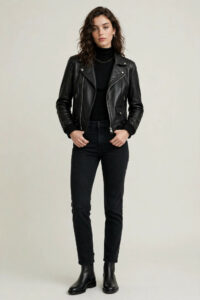
Winter Coats: How to Choose a Warm, Flattering Coat
A winter coat is the coat you live in for months at a time, so it needs to do three jobs at once: keep you warm, fit well over layers, and look good enough to wear every day. The best winter coat is not always the warmest one in the shop, it is the one that matches your climate, your commute and the clothes you already own.
The short answer is this: wool coats suit smart, dry cold weather, down and puffer coats suit very cold and wet weather, and parkas suit long outdoor exposure. This guide compares the main winter coat types, explains how to choose length and fit, and shows how to style a winter coat without looking bulky.
Key Takeaways
- Wool coats are smart and warm for dry cold, while down and puffer coats are warmest for very cold weather.
- Parkas suit long outdoor exposure, with hoods and longer lengths for wind and snow protection.
- Knee length is the most versatile winter coat length, covering layers and protecting the legs.
- Try a winter coat on with your thickest knit and a blazer, so the fit works with real layers.
- A defined waist, a good collar and a quality fabric matter more than a famous label.
Wool Coats
Wool coats are made from woven wool or wool blends, and they give a smart, structured look that suits work, city wear and smart occasions. A good wool coat is warm in dry cold down to around freezing, especially in a heavyweight fabric, but wool loses some warmth when wet and is not the best choice for heavy rain or snow without a water-resistant finish.
Choose a wool coat with a defined waist or a belt, a knee-length hem, and shoulders that fit cleanly over a blazer. Check the wool content on the label: higher wool content usually means better warmth and a better drape, while blends with synthetic fibres are often more durable and easier to care for.
Down and Puffer Coats
Down coats are filled with duck or goose down, which traps air and gives the most warmth for the least weight. Puffer coats use the same quilted design with down or synthetic filling. Both are the warmest winter coat types, and they suit very cold climates, snowy winters and anyone who spends a lot of time outdoors.
The trade-off is bulk. Puffer coats can make the wearer look wider, so choose a matte fabric, a defined waist or a belt, and a length that suits your height. Shorter puffer coats suit petite wearers and active days, while longer puffer coats give more warmth and suit very cold weather. Synthetic filling suits wet climates better than down, since it keeps insulating when damp.
Parkas and Technical Winter Coats
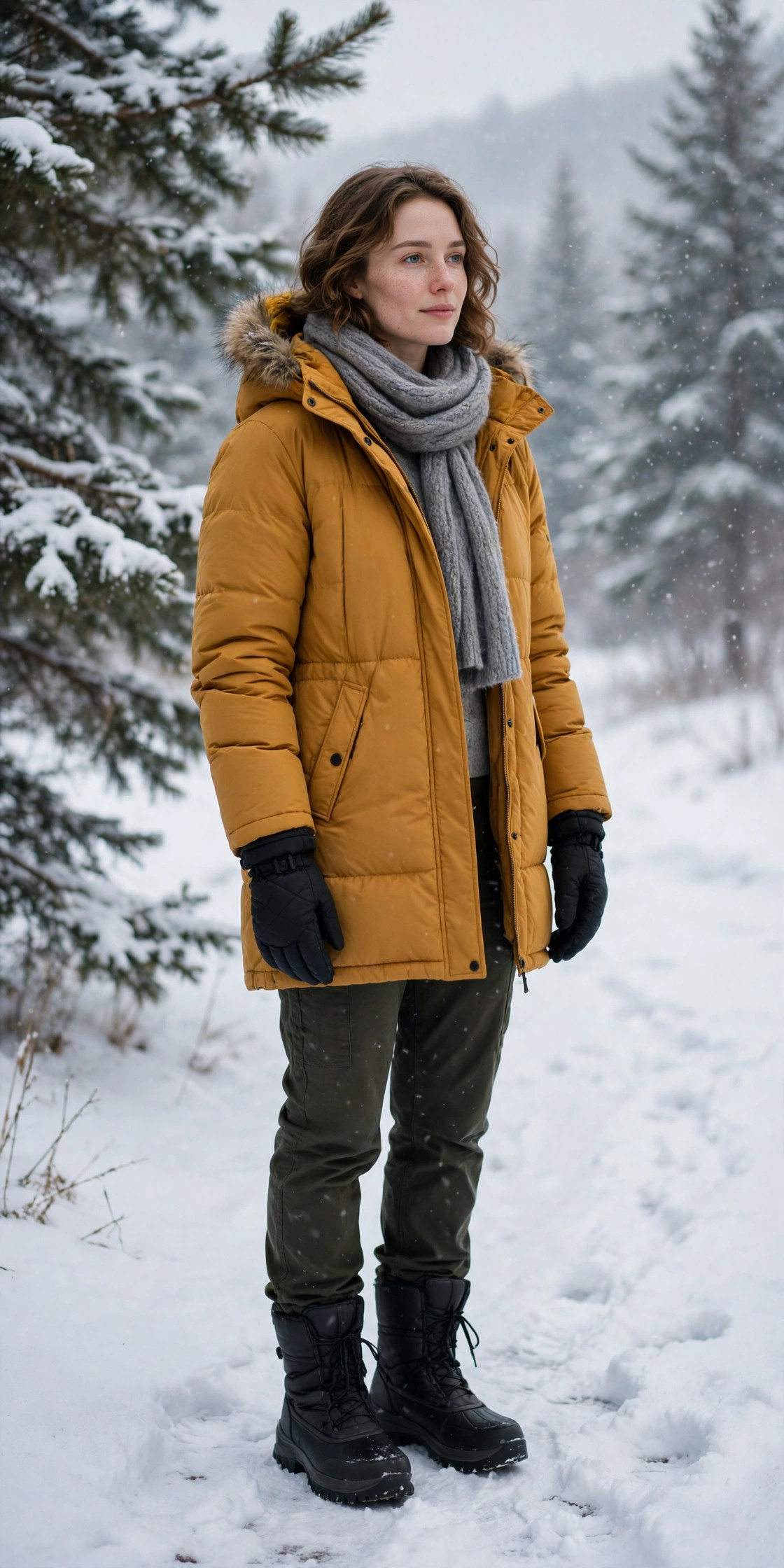
Parkas are long, hooded winter coats, often with a fur or faux-fur trimmed hood, designed for extreme cold and wind. They suit long commutes, school runs, dog walking and any routine that keeps you outside for a long time. A good parka has a windproof outer, a warm lining, deep pockets and a hood that actually stays up in wind.
Technical winter coats from outdoor brands use waterproof membranes and synthetic insulation, and they suit wet, windy winters best. They are less smart than wool coats, so they suit casual and outdoor settings rather than formal offices. If your winter is mostly wet rather than very cold, a waterproof parka with moderate insulation is often more useful than a very warm wool coat.
Choosing Length, Fit and Colour
Length: Knee length is the most versatile, covering a suit or dress and protecting the thighs from cold and wind. Hip-length coats suit driving and active days, while calf-length coats give the most warmth but can be hard to move in and overwhelm petite frames.
Fit: Try the coat on with your thickest knit and, if you wear one, a blazer. The shoulders should sit cleanly, the coat should close without pulling, and you should be able to move your arms freely. A coat that only fits over a t-shirt will be useless in January.
Colour: Black, navy, camel and grey are the most versatile winter coat colours, pairing with most outfits and hiding winter dirt well. A camel or red coat adds personality and photographs well, but check that it pairs with the shoes and bags you already own.
Styling a Winter Coat
Keep the outfit underneath simple, since the coat is the main event in winter. A knit, jeans or tailored trousers, and boots are a reliable base, with a scarf and gloves adding colour. Choose boots that suit the coat length: ankle boots suit hip-length coats, knee boots suit knee-length coats, and waterproof boots suit snow and slush.
Use accessories to add personality without bulk. A colourful scarf, a good hat and leather gloves can transform a plain black coat, while a structured bag keeps the outfit looking smart. For more outerwear ideas, see our Outerwear and Jackets section, including our trench coat guide for milder winter days.
5 Mistakes to Avoid With Winter Coats
- Buying for looks alone: A coat that is beautiful but not warm enough for your climate will sit unworn. Match warmth to your actual winter.
- Wrong fit over layers: A coat that fits over a t-shirt but not over a knit is too small. Always test with real layers.
- Ignoring water resistance: In wet climates, a coat that soaks through is useless. Check for a water-resistant finish or choose a technical coat.
- Too short for your commute: A hip-length coat leaves the thighs cold on a long walk or wait. Choose knee length if you spend time standing outside.
- Skipping the hood: A good hood is the most useful winter feature after warmth. If you walk in wind and rain, a hood matters more than a fancy collar.
Frequently Asked Questions
What is the warmest type of winter coat?
Down and puffer coats give the most warmth for their weight, followed by long parkas with windproof outers. Wool coats are warm in dry cold but less warm in wet, windy weather.
What length winter coat is best?
Knee length is the most versatile, covering layers and protecting the legs. Hip length suits driving and active days, while calf length gives the most warmth.
Are wool coats warm enough for winter?
Yes, in dry cold down to around freezing, especially in a heavyweight wool. In very cold, wet or windy weather, a down, puffer or technical coat is warmer.
What colour winter coat is most versatile?
Black, navy, camel and grey pair with the most outfits and hide winter dirt well. Choose based on the colours you already wear most.
How should a winter coat fit?
It should fit cleanly at the shoulders over a blazer or thick knit, close without pulling, and allow free arm movement. Test it with your real winter layers before buying.
Explore more coats in our Outerwear and Jackets section, and browse the full Style and Fashion guides for knits and boots that complete a winter outfit.