
Hiking Boots: Choose the Right Pair for Trails
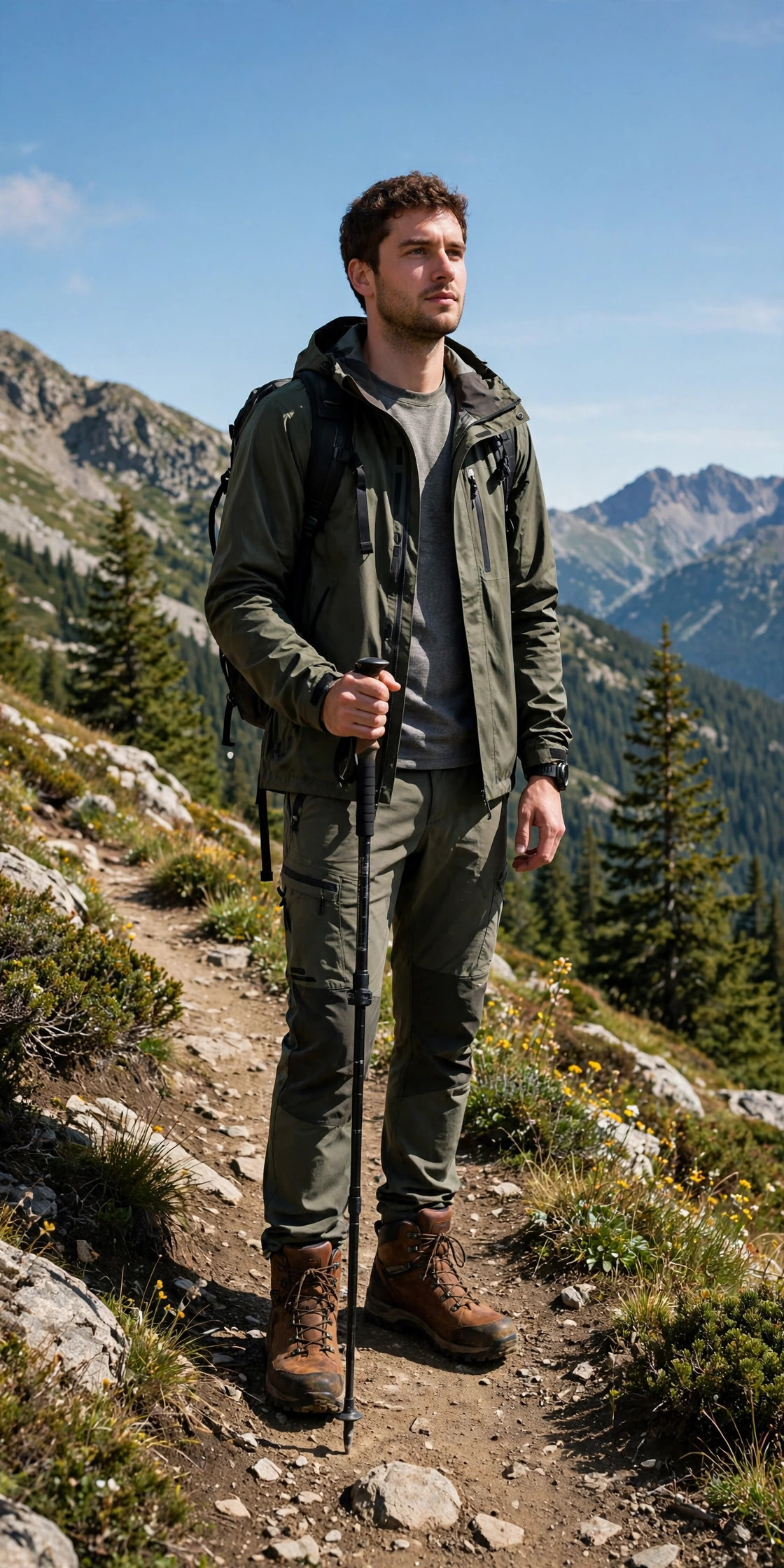
Hiking boots are sturdy, supportive boots designed for walking on uneven ground, with a grippy sole, ankle support, and a tough upper that protects the foot from rocks, mud and water. They range from light trail shoes that feel like trainers to heavy backpacking boots built for multi-day treks with a full pack, and choosing the right type depends on where and how far you walk.
The short answer is this: choose light hiking boots for day walks on good paths, mid-weight boots for rough trails and longer days, and heavy backpacking boots only for multi-day treks with a heavy pack. This guide explains hiking boot types, fit, waterproofing and ankle support, so you buy boots that suit your walks, not someone else’s.
Key Takeaways
- Hiking boots range from light trail boots to heavy backpacking boots, matched to terrain and load.
- Fit matters more than brand: toes should not hit the front on downhill slopes, and heels should not lift.
- Waterproof boots suit wet climates, while breathable non-waterproof boots suit hot, dry weather.
- Ankle support helps on rough, uneven ground, but a stiff boot is not needed for easy paths.
- Break in hiking boots gradually with short walks before a long hike.
How this guide was put together: boot-type, fit, and
waterproofing guidance follows standard outdoor-retailer definitions
and general fit practice for hiking footwear. No boot was wear-tested
for this guide, and no brand’s sizing or waterproof rating is quoted
as a universal standard. Try boots on with the socks you will hike
in, and follow the manufacturer’s care instructions.
Types of Hiking Boots
Light hiking boots and trail shoes: Low or mid-cut, flexible, and close to trainers in feel. They suit day walks on good paths, flat trails and summer hiking, and they need little or no break-in. They offer less ankle support and protection than heavier boots, so they suit easy terrain best.
Mid-weight hiking boots: Mid or high cut, with a stiffer sole and more ankle support. They suit rough trails, rocky ground, longer day hikes and carrying a day pack. Most regular hikers need a mid-weight boot, since it balances support, protection and comfort.
Backpacking boots: High cut, stiff, and built to carry heavy loads over several days. They suit multi-day treks, rough mountain terrain and heavy packs, but they are heavy and need a long break-in. Do not buy backpacking boots for easy day walks, since the stiffness will feel uncomfortable and unnecessary.
How Hiking Boots Should Fit
Try hiking boots on in the afternoon, when feet are slightly swollen, and wear the hiking socks you plan to use. Your toes should have room to move and should not touch the front of the boot when you walk downhill, which you can test by standing on a slope in the shop or pressing the toe area. Your heel should stay put with minimal lift when you walk, and the boot should feel snug around the midfoot without pinching.
Walk around the shop for at least ten minutes, and use any slope or ramp the shop provides. If the boot rubs, pinches or lets your heel lift a lot, try a different size or width, since fit problems rarely fix themselves with break-in. Women-specific and wide-fit hiking boots exist for a reason, so try them if standard fits do not work.
Waterproofing, Soles and Ankle Support
Waterproofing: Waterproof membranes, such as Gore-Tex, keep water out in wet weather and stream crossings, but they also make boots warmer and slower to dry once water gets in over the top. Non-waterproof boots breathe better and dry faster, suiting hot, dry climates and summer hiking. Choose based on your usual weather, not on a single rainy hike.
Soles: A deep, grippy lug pattern gives traction on mud, rock and loose ground. Vibram soles are a common quality marker, but the pattern and rubber softness matter more than the brand name. A stiffer sole protects the foot from sharp rocks on rough trails, while a flexible sole feels more natural on easy paths.
Ankle support: High-cut boots support the ankle on rough, uneven ground and when carrying a load, but they do not prevent all ankle injuries, and they can feel restrictive on easy paths. Mid-cut boots give a balance of support and freedom, and they suit most day hikers. Ankle strength and careful foot placement matter as much as boot height.
Materials and Everyday Wear
Leather hiking boots are durable, supportive and water-resistant, and they suit rough terrain and heavy use, but they are heavier and need a longer break-in. Synthetic hiking boots are lighter, cheaper and need little break-in, but they wear out faster and offer less protection. Nubuck and split leather sit in between, giving a good balance of durability and comfort.
Hiking boots have also become a fashion item, worn with jeans and casual outfits in cities. A clean, classic hiking boot in brown or black leather works for everyday wear, while a very technical, brightly coloured boot looks out of place away from a trail. For more footwear styling, see our Shoes and Footwear section.
Hiking Boot Types at a Glance
| Boot type | Terrain | Ankle support | Waterproofing note |
|---|---|---|---|
| Light trail shoe | Even paths, day walks, dry ground | Low, flexible, trainer-like | Often water-resistant, not fully waterproof |
| Mid-height hiking boot | Mixed trails, mud, uneven ground | Mid-height, steadier on rough ground | Commonly available waterproof, check the lining, not just the label |
| Heavy backpacking boot | Steep, rocky, multi-day treks with a full pack | High and stiff, built for load carrying | Usually waterproof, needs a longer break-in |
Match the boot to the hardest walk you actually do, not the hardest
walk you imagine. A heavy boot on an easy path is wasted weight, and
a light shoe on a steep, loaded trek is a blister and ankle risk.
Who Each Boot Type Suits, and Who Should Choose Differently
Choose a light trail shoe if most of your walks are day walks on
even ground and you value comfort over protection. Choose a
mid-height boot if your trails are mixed, muddy, or uneven, or if
you have weak ankles. Choose a heavy backpacking boot only if you
carry a full pack on steep or rocky ground for more than a day.
Skip heavy boots for everyday wear and short walks. The stiffness
that protects you under load feels clumsy on flat ground and takes
far longer to break in. If you will wear the boots mostly in town,
with occasional trails, a mid-height boot is usually the better
compromise than either extreme.
5 Mistakes to Avoid With Hiking Boots
- Buying too much boot: Heavy backpacking boots for easy day walks feel stiff, heavy and uncomfortable. Match the boot to your actual terrain and load.
- Skipping the downhill test: Toes hitting the front on downhill slopes cause bruised toenails. Test on a slope before buying, not on your first hike.
- Wearing new boots on a long hike: New boots need breaking in. Wear them on short walks first, increasing distance gradually, to avoid blisters.
- Wrong socks: Cotton socks hold sweat and cause blisters. Wear moisture-wicking hiking socks, in the thickness you tried the boots on with.
- Ignoring waterproofing care: Waterproof boots lose their protection if the outer fabric soaks up water. Reapply durable water repellent spray when water stops beading on the surface.
Frequently Asked Questions
What are hiking boots?
Hiking boots are sturdy, supportive boots with a grippy sole, ankle support and a tough upper, designed for walking on uneven ground in varied weather.
Do I need hiking boots or trail shoes?
Trail shoes suit easy day walks on good paths in dry weather. Hiking boots suit rough trails, longer days, heavier loads and wet weather, where support and protection matter more.
Should hiking boots be waterproof?
Waterproof boots suit wet climates and stream crossings. Non-waterproof boots breathe better and dry faster, suiting hot, dry weather and summer hiking.
How should hiking boots fit?
Toes should not hit the front on downhill slopes, heels should not lift much, and the midfoot should feel snug without pinching. Try them on with hiking socks in the afternoon.
How do I break in hiking boots?
Wear them on short walks first, increasing distance gradually over several outings, with the socks you plan to hike in. Do not wear a new pair on a long hike for the first time.
Explore more footwear in our Shoes and Footwear section, and browse the full Style and Fashion guides for outdoor outfits that pair with hiking boots.